For a few years now at the dinner table, my boys and I play a game called High, Low, Buffalo — one high point from the day, one low, and one “buffalo” — something weird, new, or unexpected. It keeps the conversation flowing beyond “school was good”.
This week, looking out over the garden, I realized the same format works beautifully for a mid-season recap. So here we are — the highs, the lows, and the buffalo of this year’s growing season.
Low
Where to begin? The drought has been relentless — week after week of cloudless skies, the kind of weather that’s been thrilling for cottagers and beach-goers (myself included for a while) but that leaves gardeners pacing. Without rainfall for most of the season, plants simply… stopped.
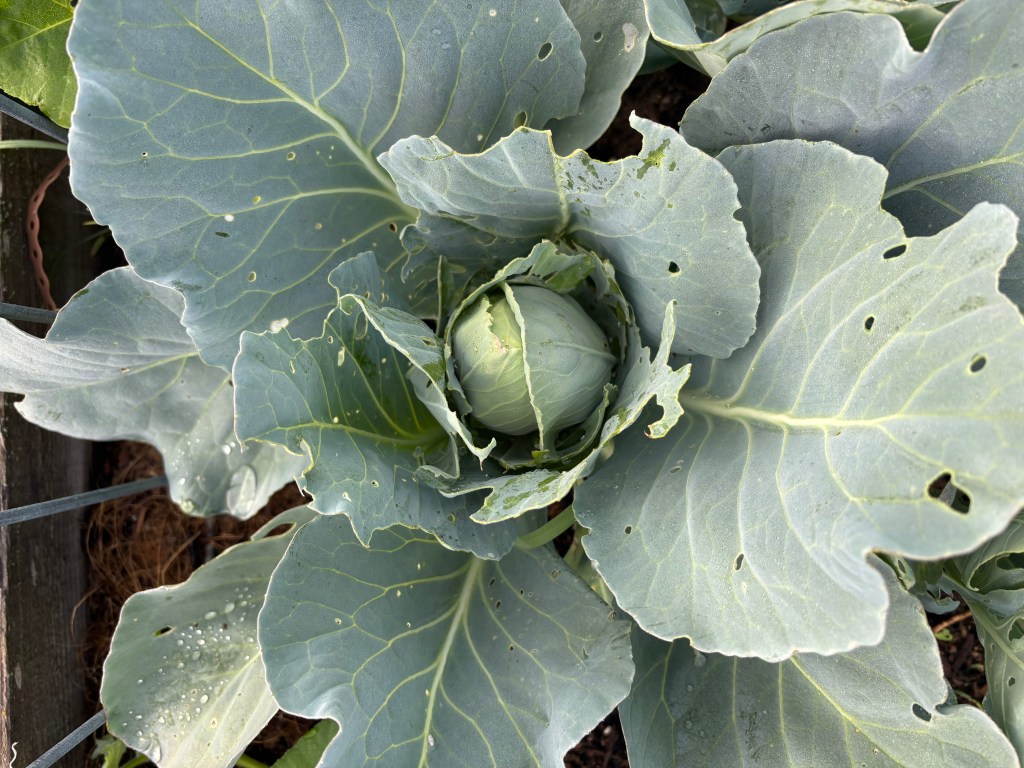
Despite the installation of a long hose by the resident hero (see last post) I may end the summer with exactly two cucumbers (so much for my great-grandmother’s relish), and my prideful boast that we don’t purchase tomato sauce …guess what’s going to be in my grocery cart this winter? Pictured above are my cabbages before I got on top of the cabbage moth problem. Luffa? Eggplant? Parsnip? Butternut squash? None.
My experiment with celery will be “a wash” — except without any actual water. And beans, which normally fill my freezer to the point of actual exhaustion, have been equally stubborn. While I’ve made a valiant second attempt that may yet produce a freezer-worthy amount, the first bean planting fizzled with roughly five small plants. I unfortunately used up the seeds for my preferred varieties in that first planting, so anything that’s produced from those five plants will now be devoted to shoring up the seed bank for next year.
High
In gardening, a low can sometimes lead you straight into a high — if you’re willing to adapt. This year, that’s meant taking succession planting more seriously than ever before. This will be a great year for confirming the timing of a second planting, which I’ve only done in a half-hearted sort of way previous years.
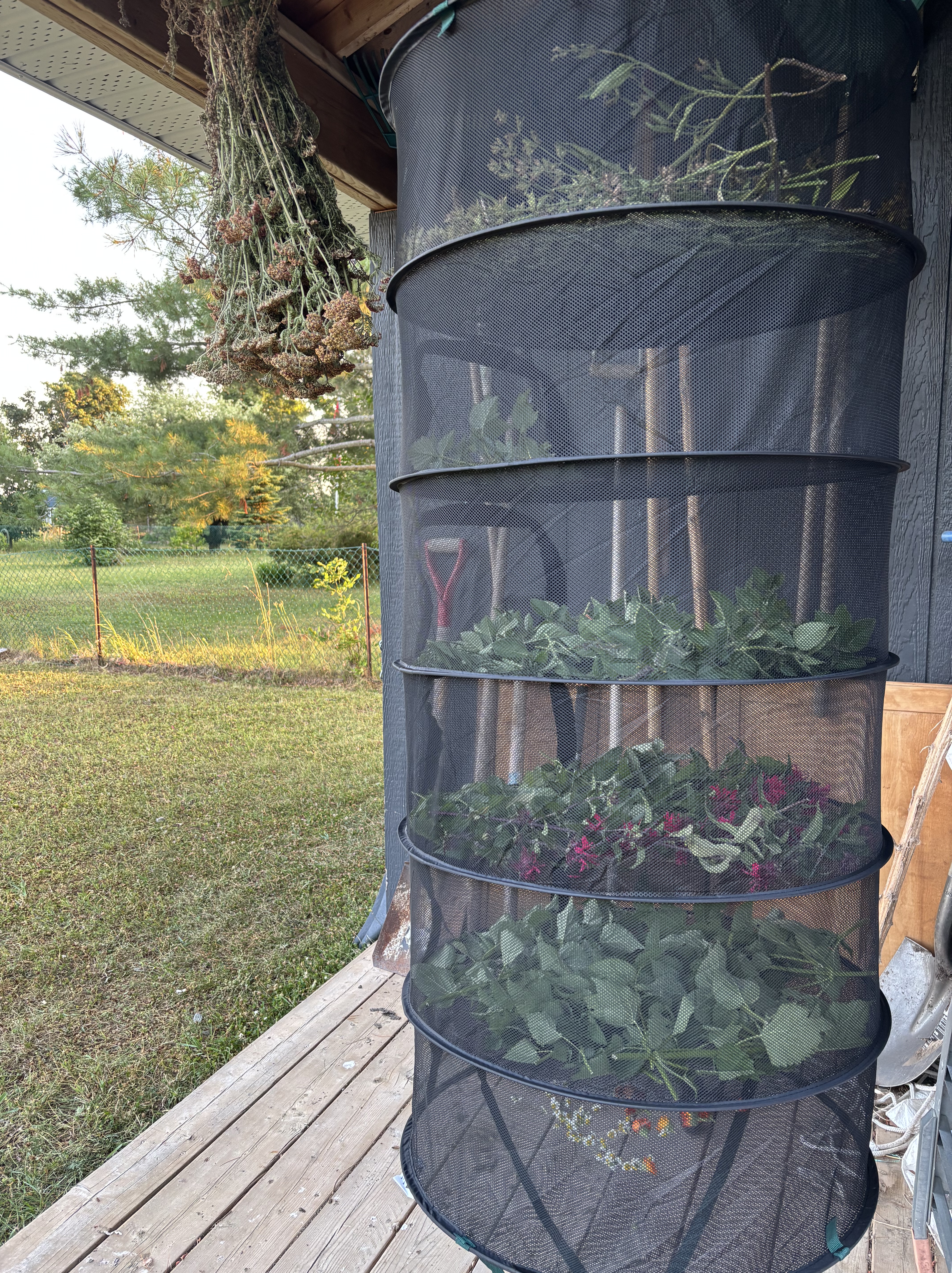
And then there’s the tea garden. Oh, the tea garden. For something I planted entirely from seed, that didn’t receive the early watering can marathon treatment, it’s been spectacular. Hardy, lush, and thriving through much of the drought, it’s gifted me a pantry’s worth of herbs for cozy winter teas — fragrant with lavender, lemon balm, holy basil, and anise hyssop — that also carry healing and medicinal benefits. Could there be a short book in the works? 😉
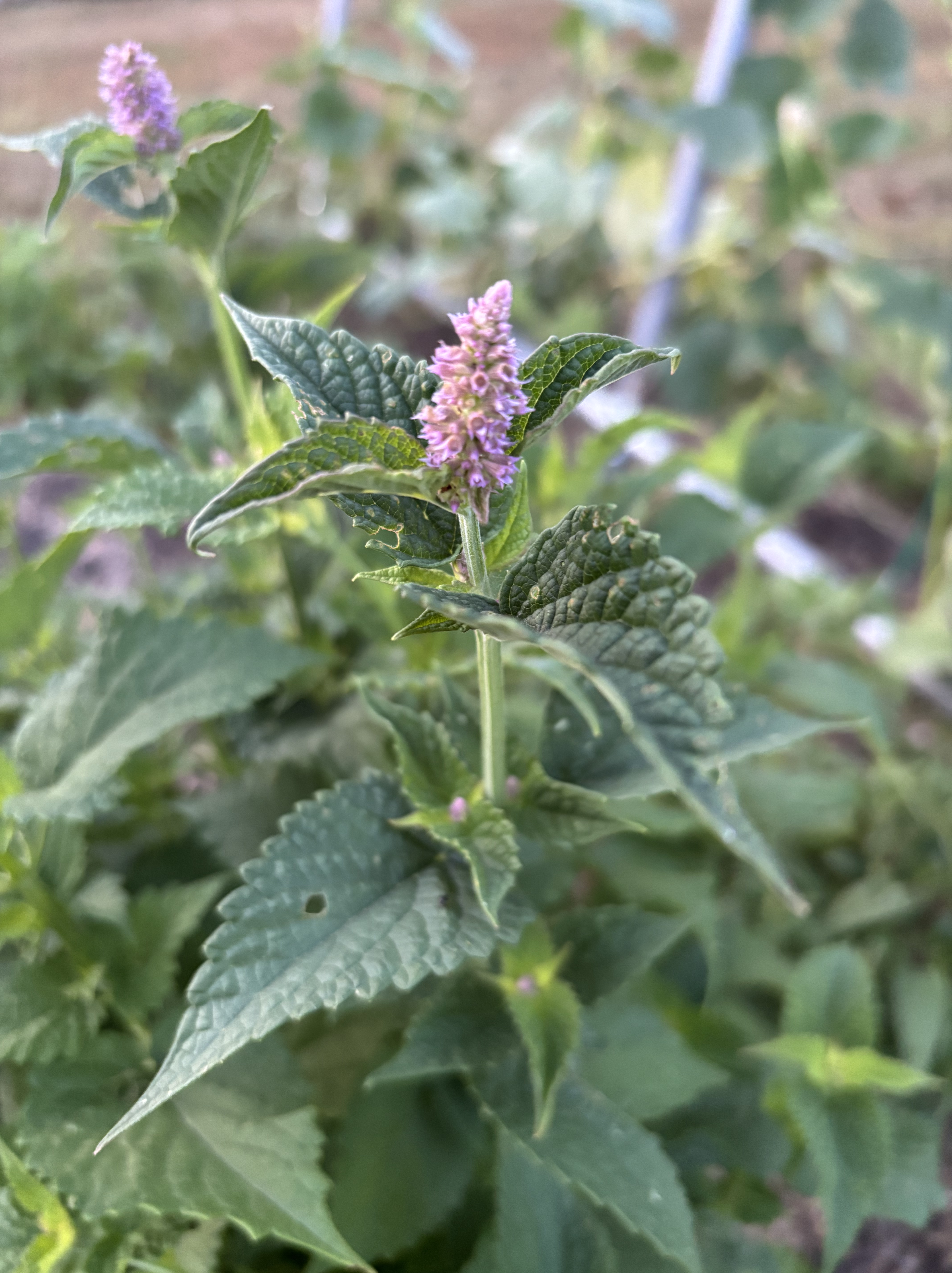
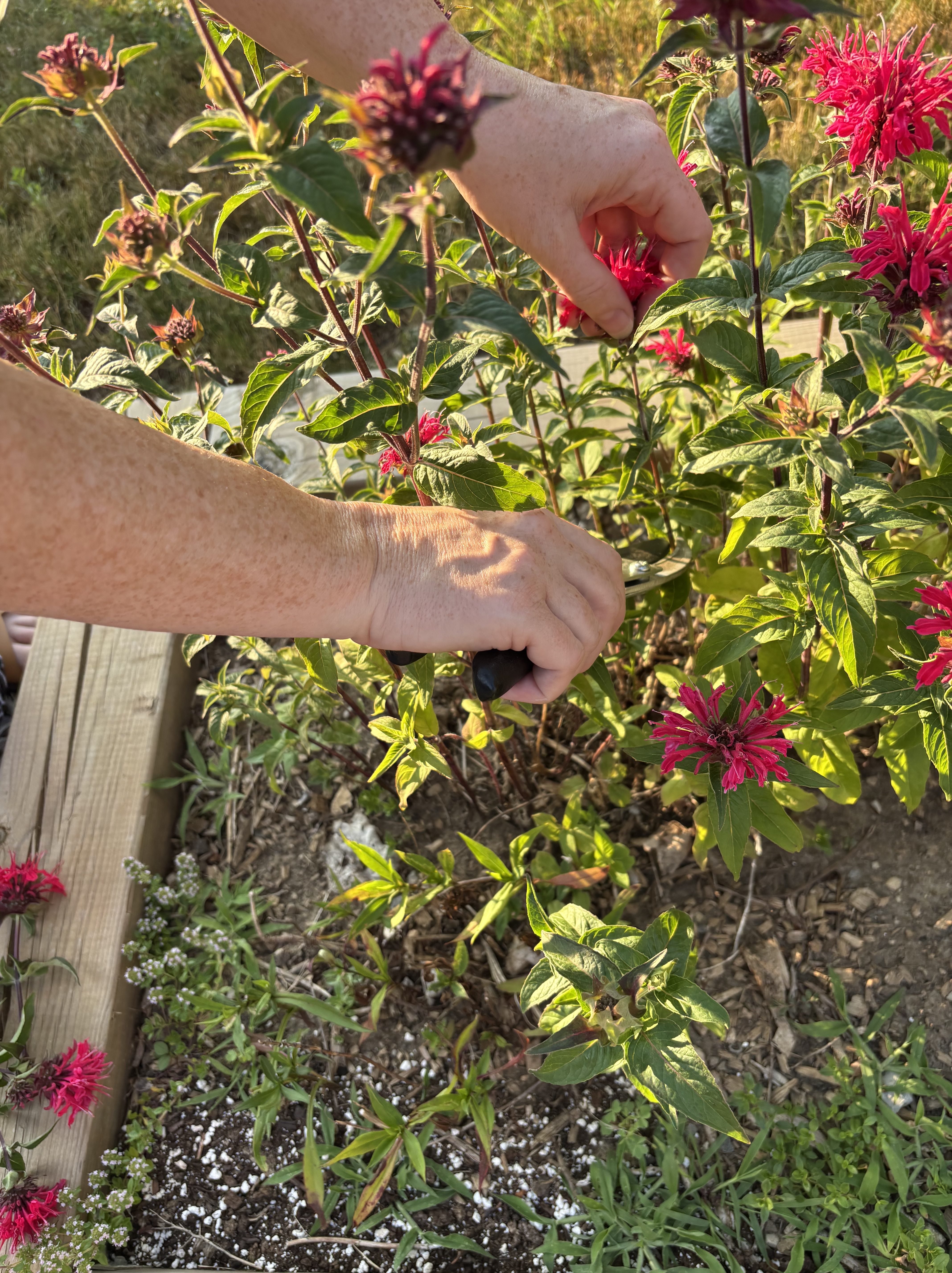
Overall I’ve been surprised by how wilted some of my flower garden has been … even naturalized perennials like brown eyed susan. The success of these drought-tolerant medicinal plants has made me think about gradually replacing some of my thirstier flowers in other beds with the surprisingly drought-tolerant medicinal plants. Extra bonus – my flower beds are closer to the house. Going out to grab some herbs for tea before bed will be easy as pie.
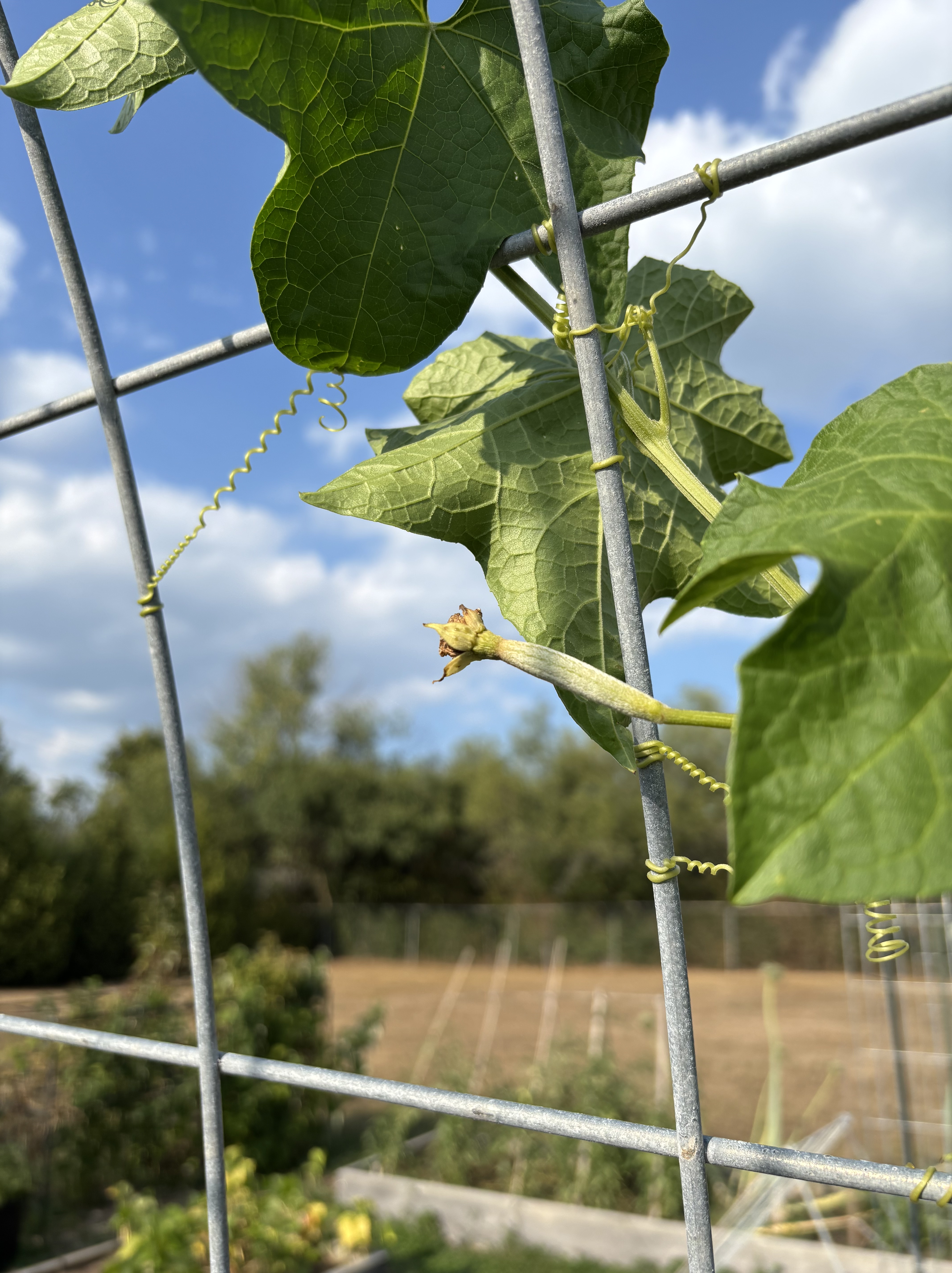
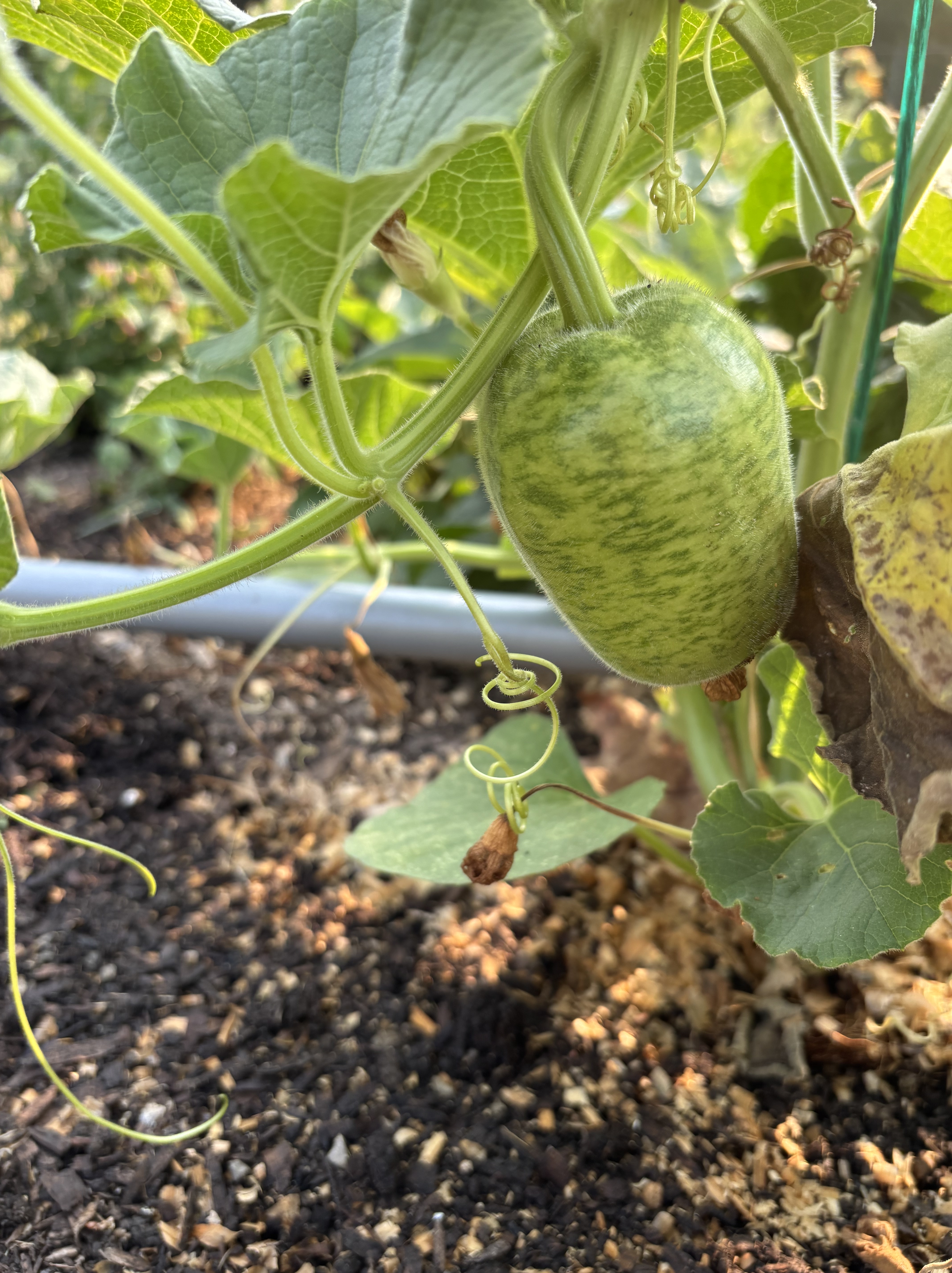
Another unexpected high? Gourds. I’ve grown bottleneck gourds before for fun, carving them into Christmas ornaments or leaving as-is for decor. The colour and patina of each fruit when dried is uniquely beautiful, and can’t be purchased. This year I sent away for some newer varieties. The bushel gourd (basket-sized) may need a longer season than I can give it, but the apple gourd — smaller, round, and adorable — has me dreaming of fall décor. The bonus is that now I will have a locally adapted seed for future years. Top Tip: Each year include one unusual plant into your garden. It can lead to a new beloved variety that becomes a staple in your garden, OR a whole new plant that you just can’t stop growing – and they’re usually conversation starters!

Buffalo
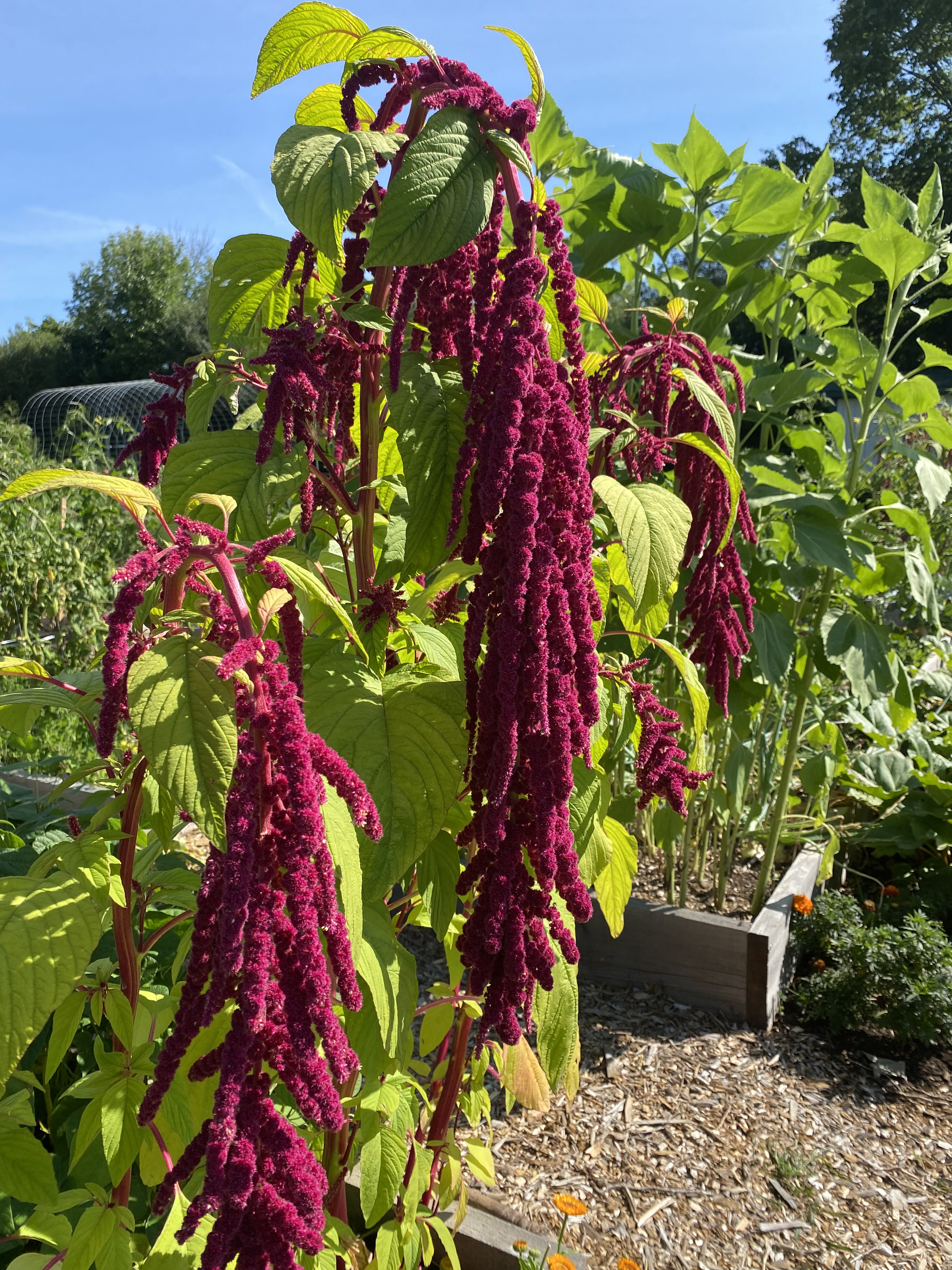
This year’s “buffalo” could only be one thing: the year of the seed.
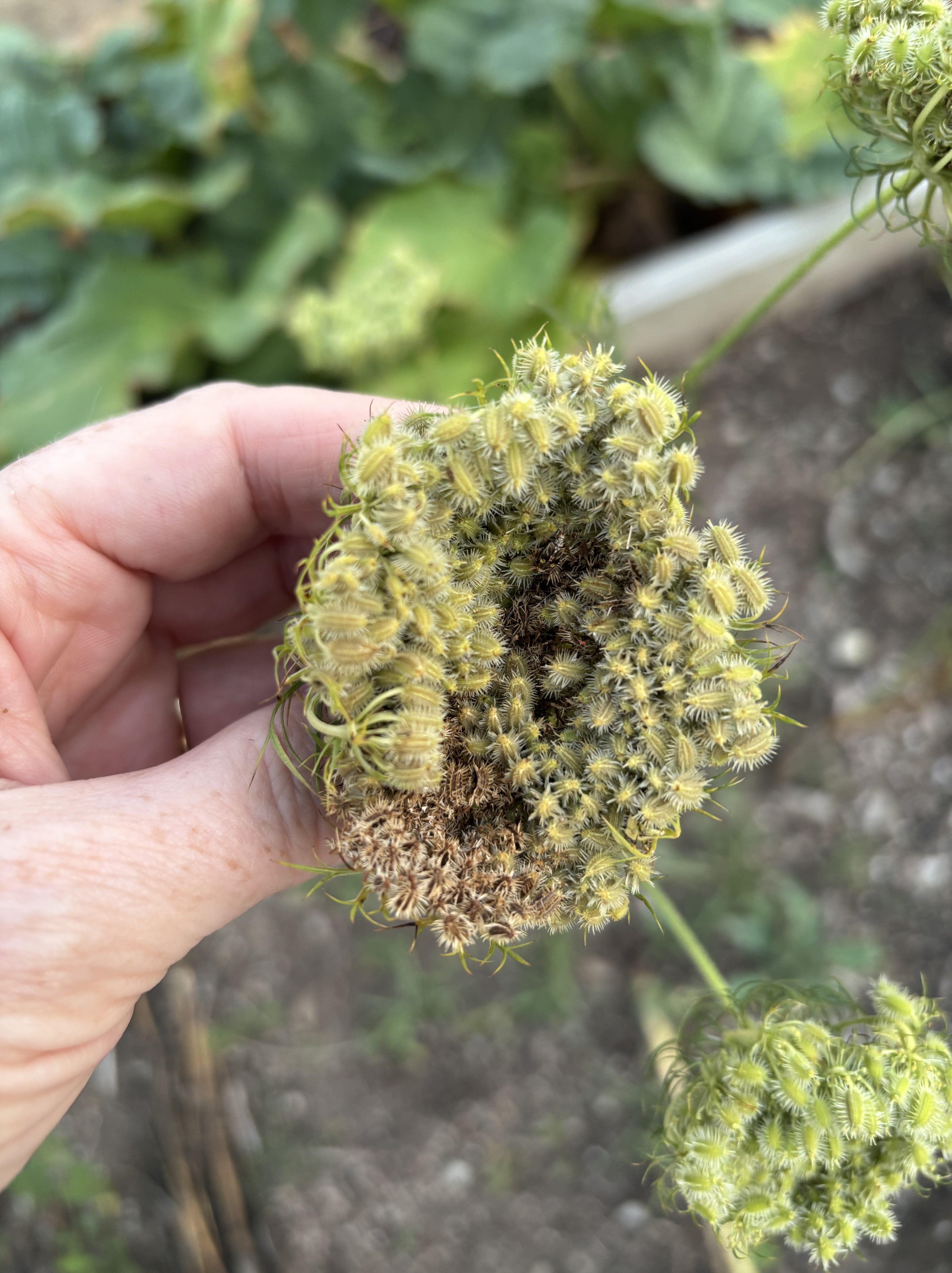
A mild winter meant the ground never froze properly and, by early spring, I was finding onions, spinach, and carrots already sprouting. (That early crop of spinach was very much appreciated). When the garden speaks and shows you something you’ve never seen before, you tune in. This freak season is how I learned — really learned — that carrots, onions, and crops like kale are biennial. They don’t produce seed until their second year.

So here I am, in the middle of a drought, growing seed heads for next season’s crops — including my own carrot and onion seed for the first time. I had never purposely looked into how to grow my own seed of certain vegetables but, by shifting my focus this year and learning how easily it can be integrated into my garden regime, I will now include a little space for biennial plants in my garden rotation. I’ve even let the dill go to seed and have an abundant amount for next year.
It’s been a season of watching, learning, and, in many ways, starting fresh. While I was slower to adapt to the water situation and the harvest will be smaller, I’ve significantly added to the variety of seeds that I can gather myself and my seed collection will be richer. And that feels like a long-term investment in the garden’s future.
Gardening has a way of humbling you into beginnerhood, again and again. And maybe that’s the real buffalo. 🦬


 Chickadee Jane
Leave a comment