
Gardening blogs are seasonal by nature. The intention is always to document things as they happen, but summer has a funny way of getting in the way of itself. The garden needs managing, weekends fill up, and before you know it, a post about June becomes a post about July, and then the end of July …
So let’s embrace it – here follows the super extra long summer blog post—a collection of the things I’ve been noticing, learning, harvesting (and occasionally battling!) over the last couple of months. What have I been up to? Well ….
June in the Garden: Less Planting, More Paying Attention
If February and March is about planning and seedlings, and April and May is about getting plants into the ground, June is when I stop fussing over seed packets and start paying attention. The garden is beginning to speak, and it’s time for me to listen.
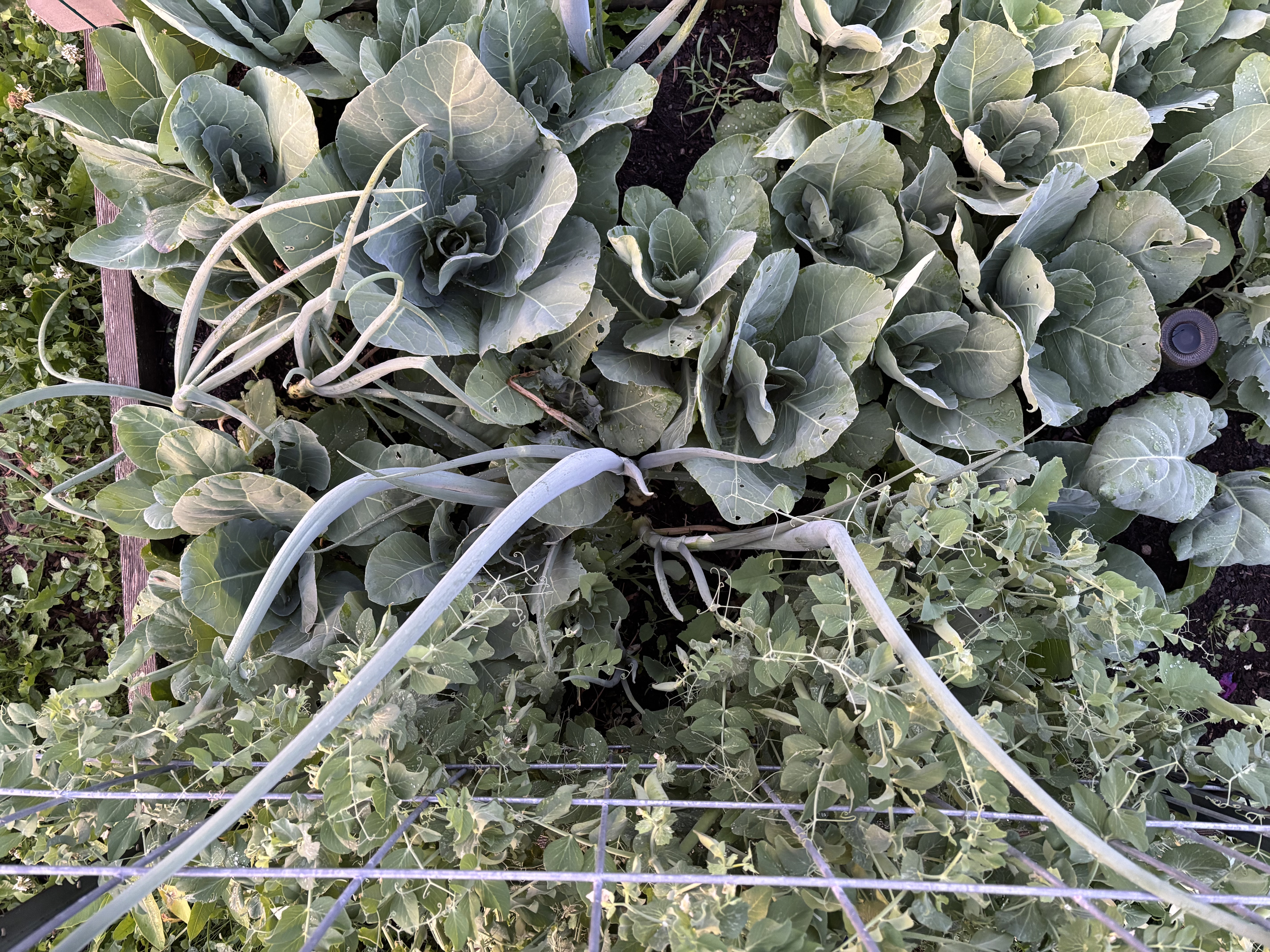
The garden is growing quickly now, and my job has shifted from doing to observing. Every walk through the garden tells me something. Something isn’t growing. Something is growing very well. Something needs support.
It’s become one of my favourite times of year because gardening starts to feel less like a to-do list and more like a conversation.
I’m watching like a hawk. Or a rabbit. But also watching for the rabbits.
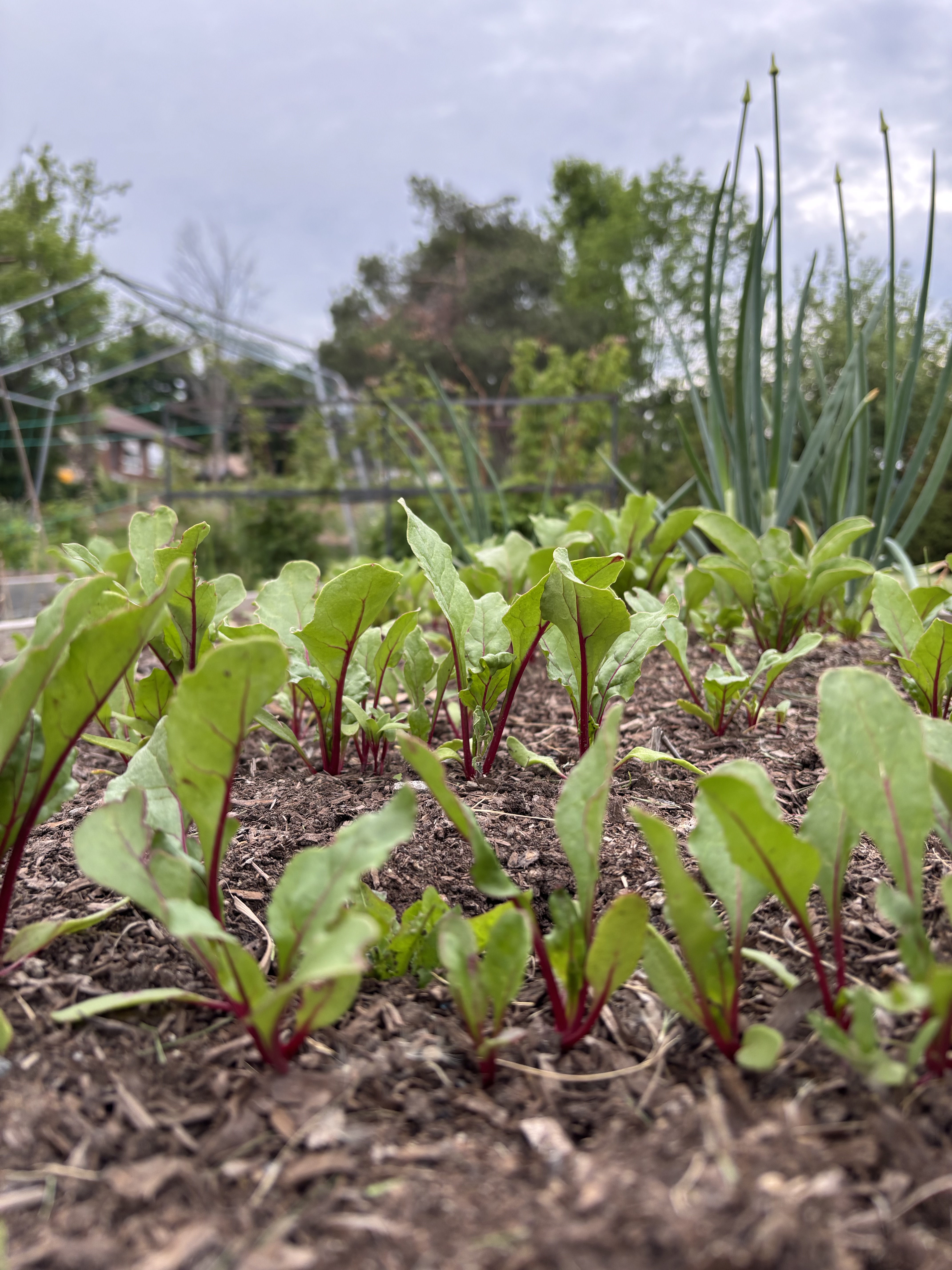
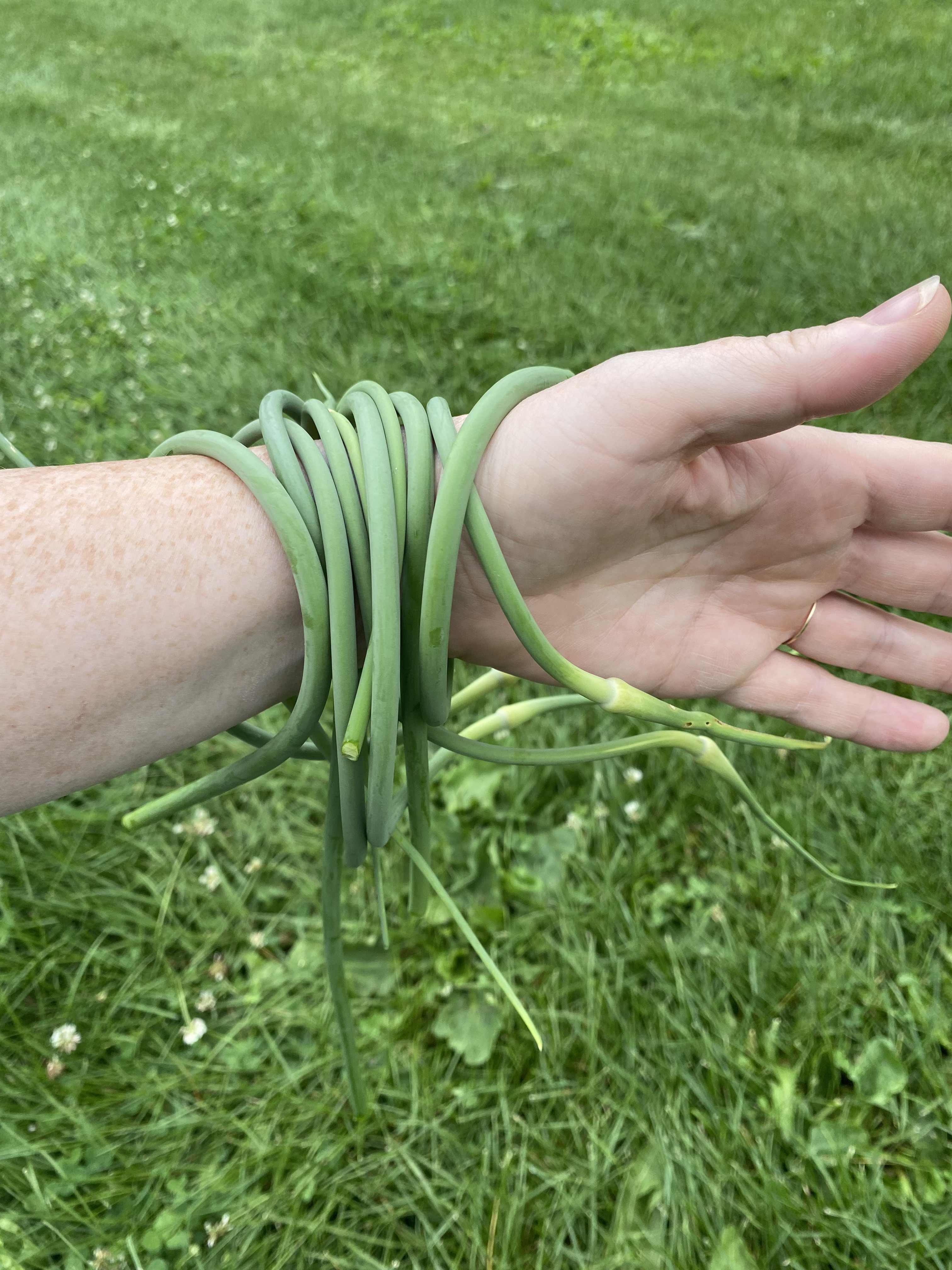
Once everything is planted, June becomes a month of observation. I’m watching for pests, looking for plants that need a little help, and enjoying some of the first harvests. After enough years in the garden you start to recognize what’s coming next: the carrots need thinning, the beets need thinning (save those greens for good eatin’!), the lettuce is ready to harvest and I’m keeping an eye out for bolting. My tomatoes are getting tied up to their trellis and, one of my favourite milestones of the season, I’m cutting garlic scapes. Garlic scape pesto is one of the first tastes of summer after a long winter, and I’ve shared a delish recipe below.
It’s the surprises that get you. Last year it was the water. This year – oh I’ve learned from you mother nature – watering system is in place, even if it still requires three sections of hose.
This year’s garden nemesis?
Earwigs.
They’re everywhere. Possibly caused by me and related to too much water. Who’s to say, really?
Nonetheless, the good news is that I’ve learned not to ignore something for too long. It took only a bit of observation and a little time on the interweeb to figure out the culprit. I’m still fighting the good fight, but a few nights of a head lamp and some soapy water installed me as the lead in the battle and the plants have survived. And who doesn’t love a good summer, night-time walk through the garden.
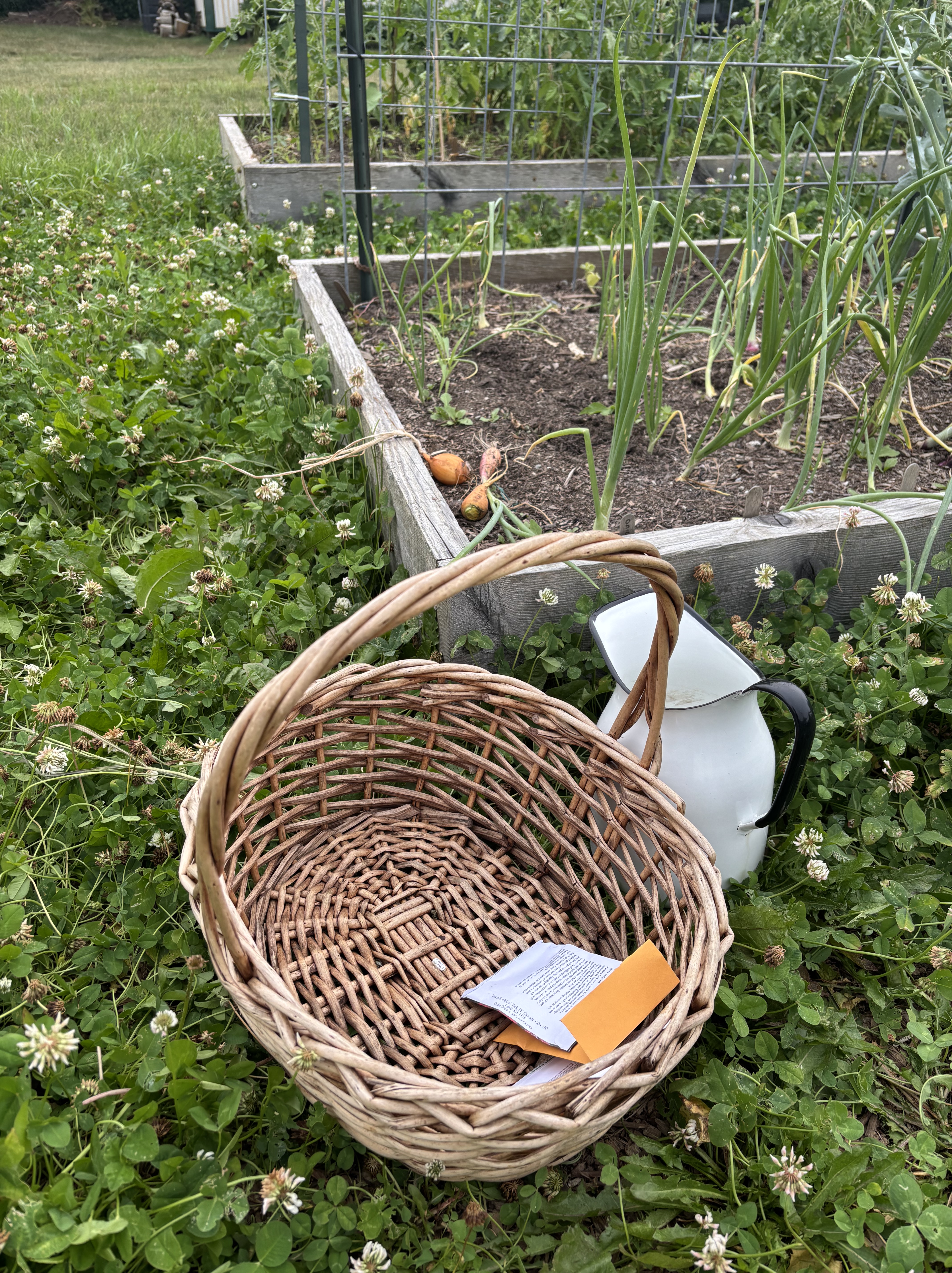
Then there were the onions. Something was chopping them off at the base, one by one. Since I’d started them from seed and was hoping to store a good crop this winter, I was determined to solve the mystery.
The solution? I didn’t build elaborate fencing. I simply laid an old tomato cage on its side across the row. It was easy for me to step over, but apparently enough of a nuisance that whatever was helping itself to my onions decided it wasn’t worth the effort or the bad breath. It was an interim measure until I figured things out, but sometimes the simplest solution really is the best one.

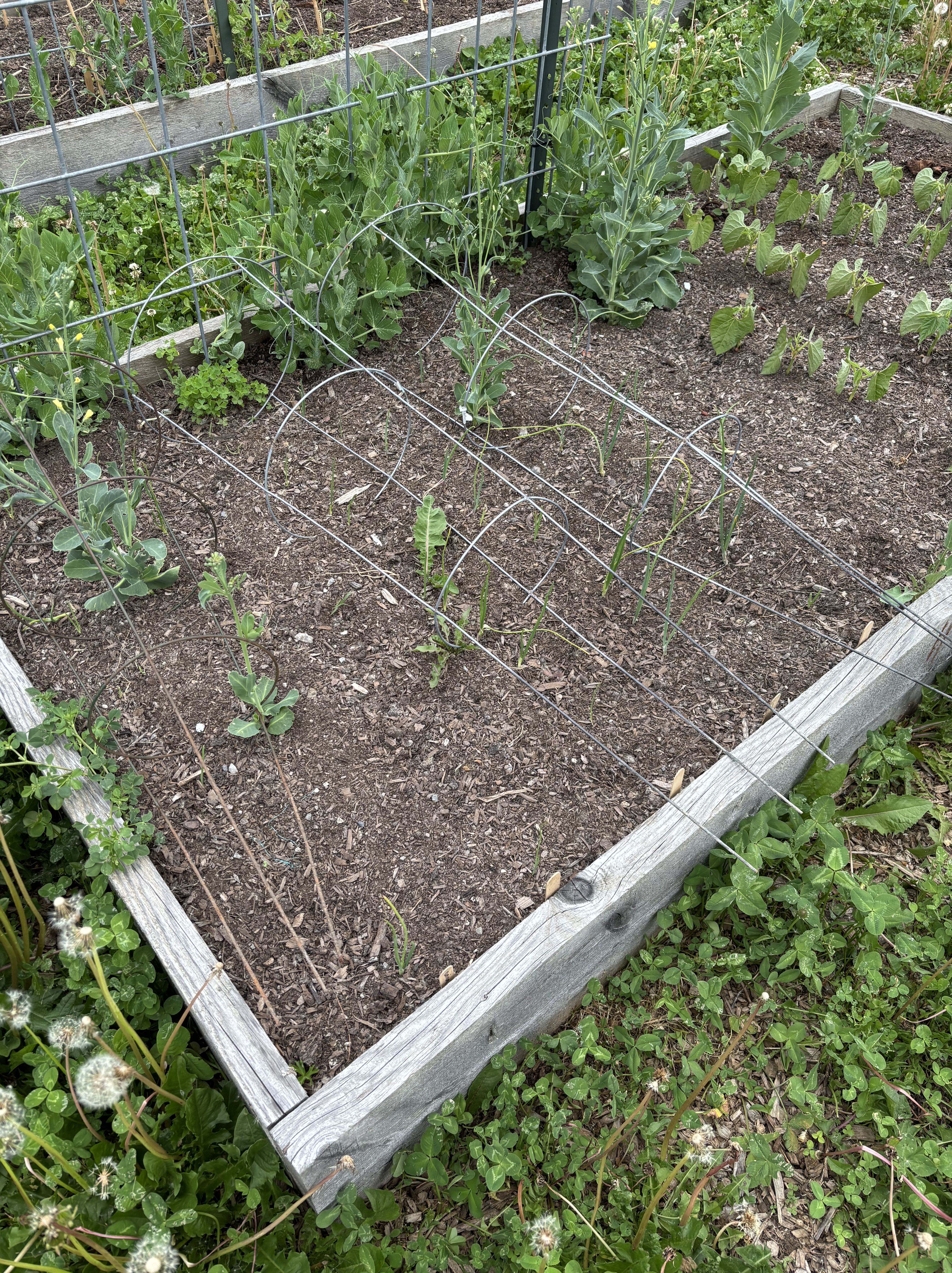
I’m not gardening in ink
I’ve learned over the years not to draw my garden plan in ink. Gardeners learn to pivot.
No matter how carefully I plan the garden in April, there are always surprises.
Something taking up less space than anticipated (onions). Hardening something off too fast and losing it (luffa and gourds). Forgetting to order the seeds (Holy Basil).
So apparently I’m growing eggplant again this year. Not because I planned to—in fact, though I love eggplant, I had intended to cut back! – but because I found two lonely plants at the garden centre that needed a home, and suddenly I had empty spaces that needed filling.
The garden doesn’t have to be perfect. If you discover a gap in June, fill it. Buy the plant. Plant another few seeds. Gardening isn’t a test and perfection is impossible.
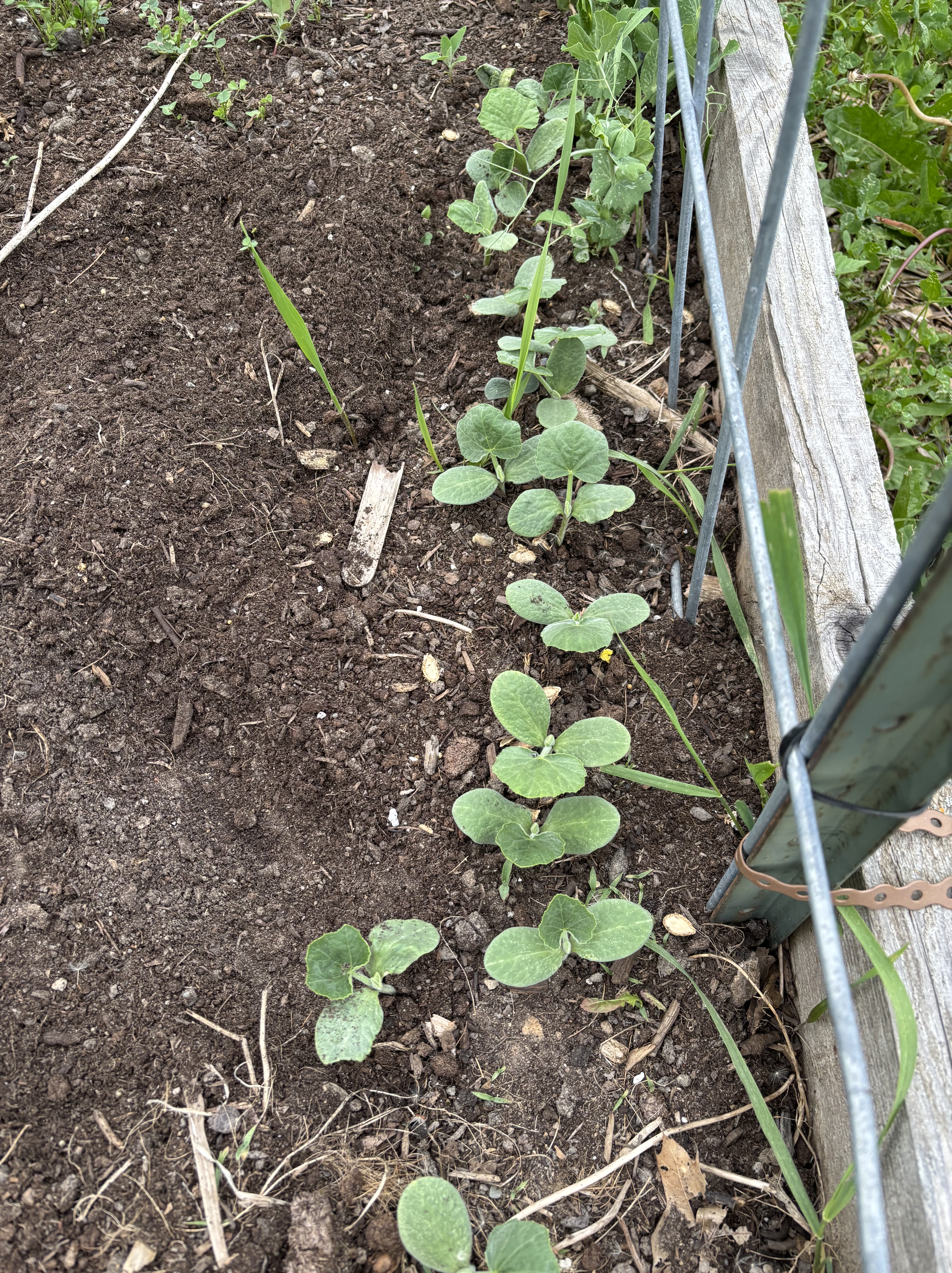
Speaking of surprises… I completely failed to get butternut squash to germinate this year. After trying nicely, then trying patiently, then trying every trick I know, I finally soaked about fifty seeds overnight and dumped them where I wanted squash.
And they sorted themselves out.
In June, the task was to thin those seedlings so there’s plenty of airflow between plants. It feels a little ruthless pulling out healthy seedlings (and yes I replanted them in seed trays that I intended to give away … and they even made it to the roadside …. and died), but good air circulation now means I’m much less likely to battle powdery mildew later in the summer.
I’m learning
One of the things I enjoy most about gardening is that every year teaches me something.
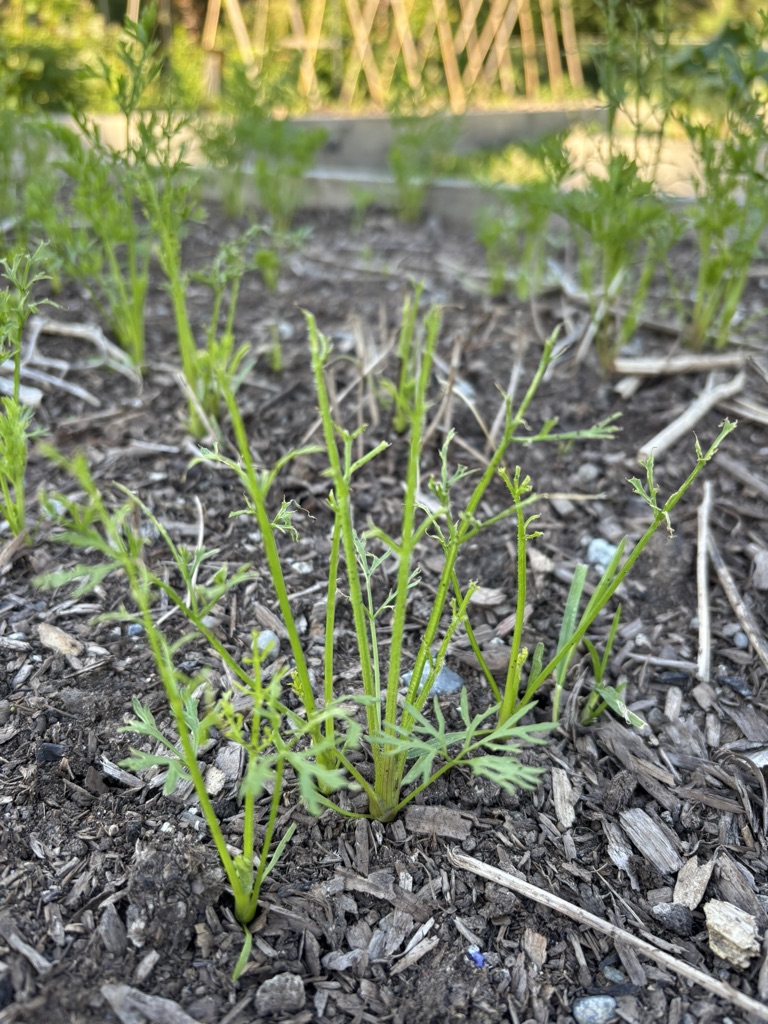
Last year I learned that saving carrot and onion seeds was easier than I realized, and this year I confirmed by planting those seeds, that I now have this trick in the bag. This year I’m watching my overwintered leeks with the same curiosity.
Seed saving still feels a little magical to me. You stop looking at a carrot as just dinner and start seeing the entire life cycle of the plant.
The garden always has another lesson waiting.
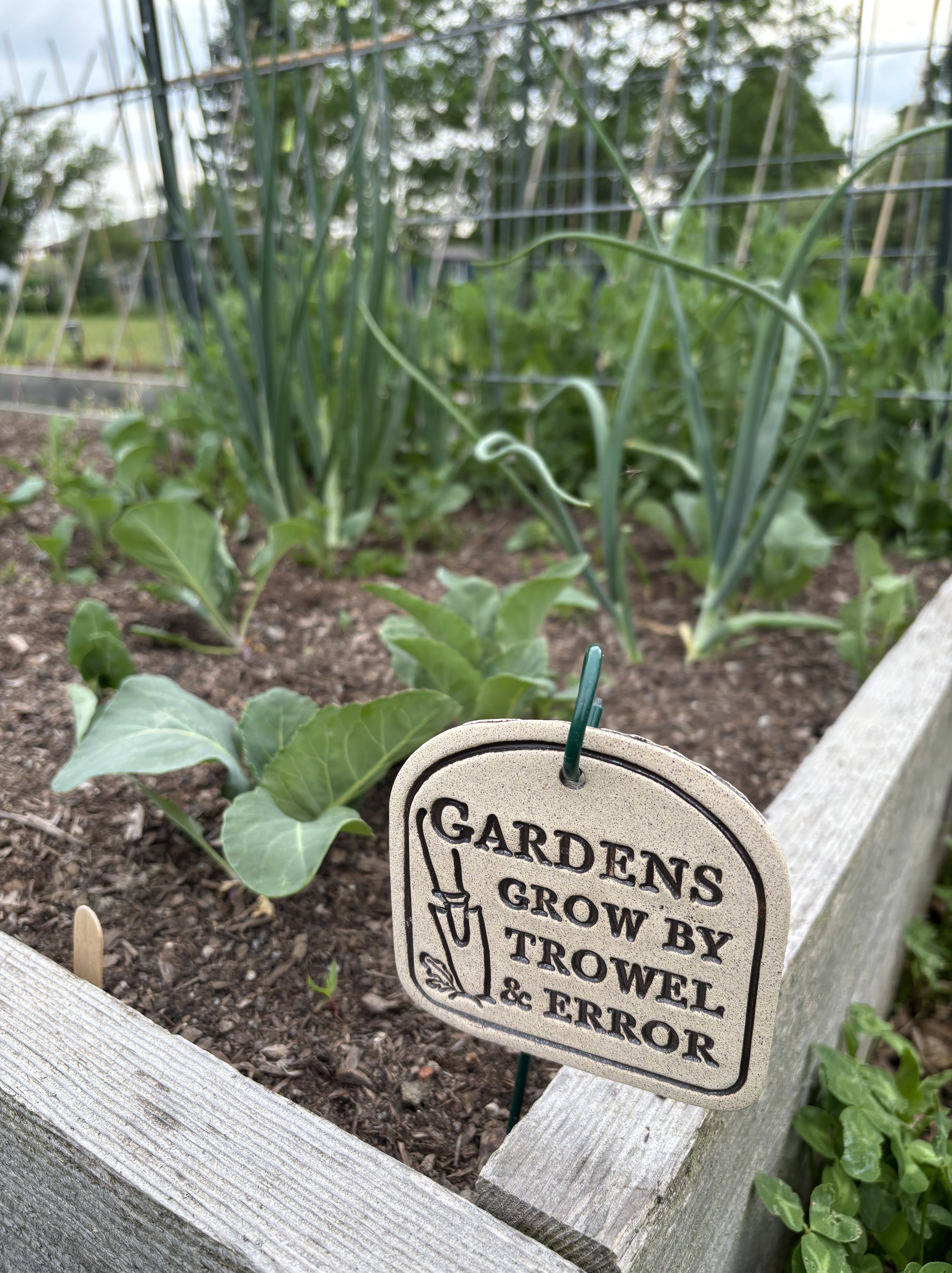
July: The Garden Gives Back
July is when I mostly get out of the garden’s way.
The big decisions have already been made. Now it’s a matter of checking in every few days, tying up a tomato that got a little ambitious, pulling the odd weed and harvesting whatever’s ready for dinner.
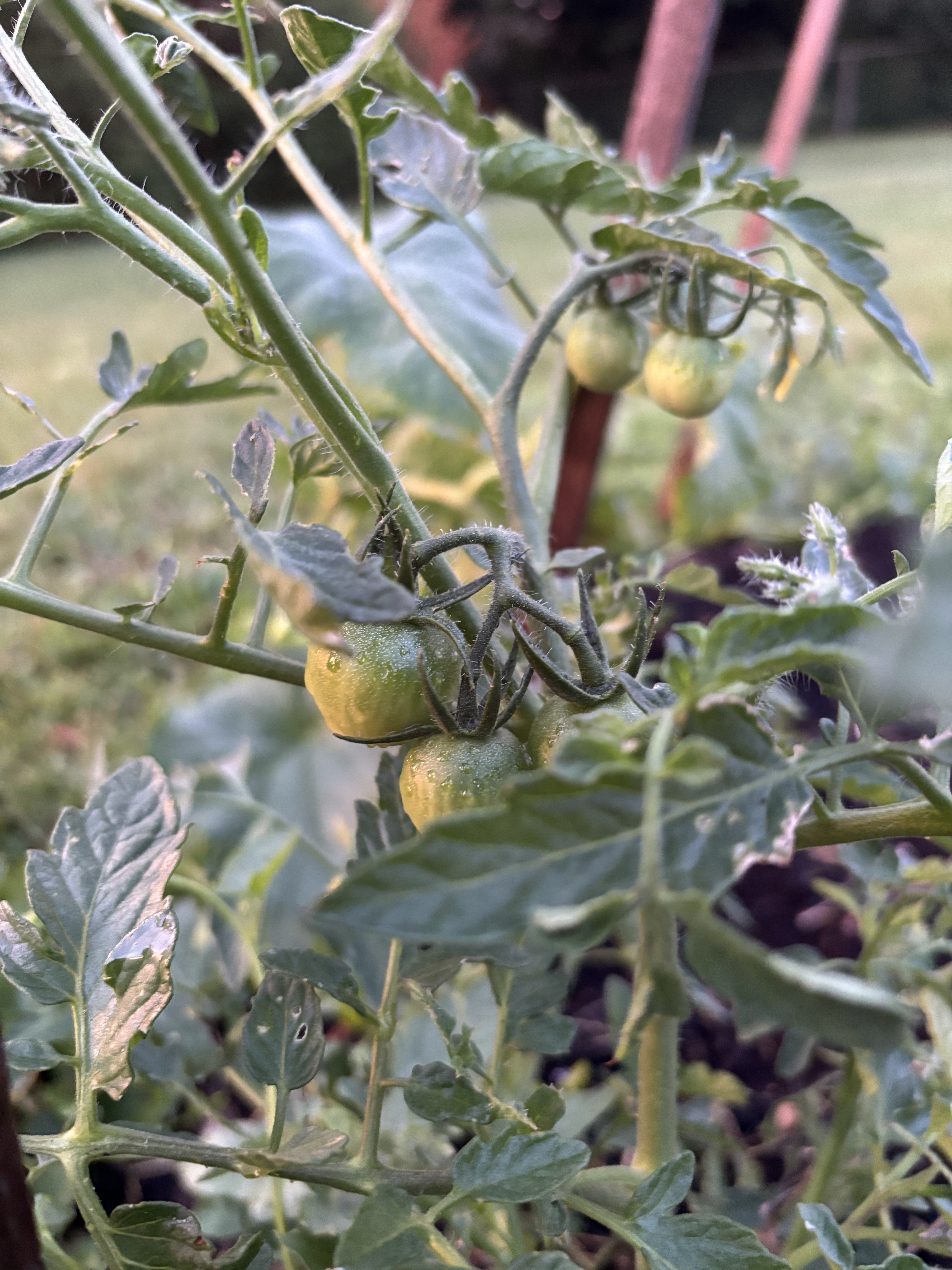
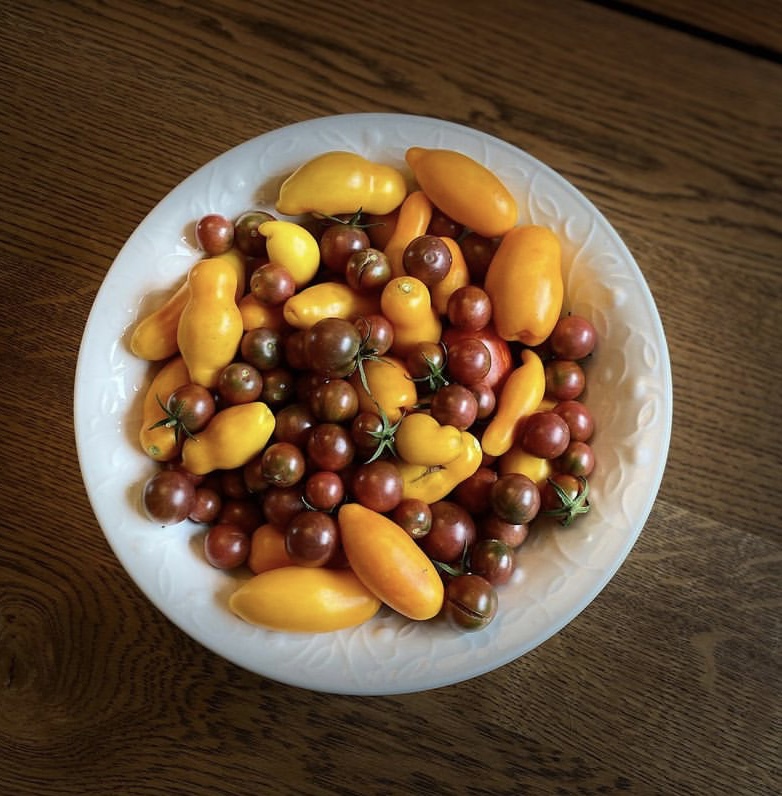
Of course, if I leave those tomatoes alone for too long, they remind me who’s really in charge. What should have been a quick tidy-up occasionally becomes a wrestling match with a very enthusiastic tomato plant. My general July non-intentional, non-strategic strategy is to overall ignore the garden, and then spend a weekend digging myself out of the jungle.
But there’s something wonderful about that jungle too. One day you stop and realize this towering, overflowing garden began as a handful of tiny seeds just a few months ago. Every summer I’m amazed by how quickly abundance appears.
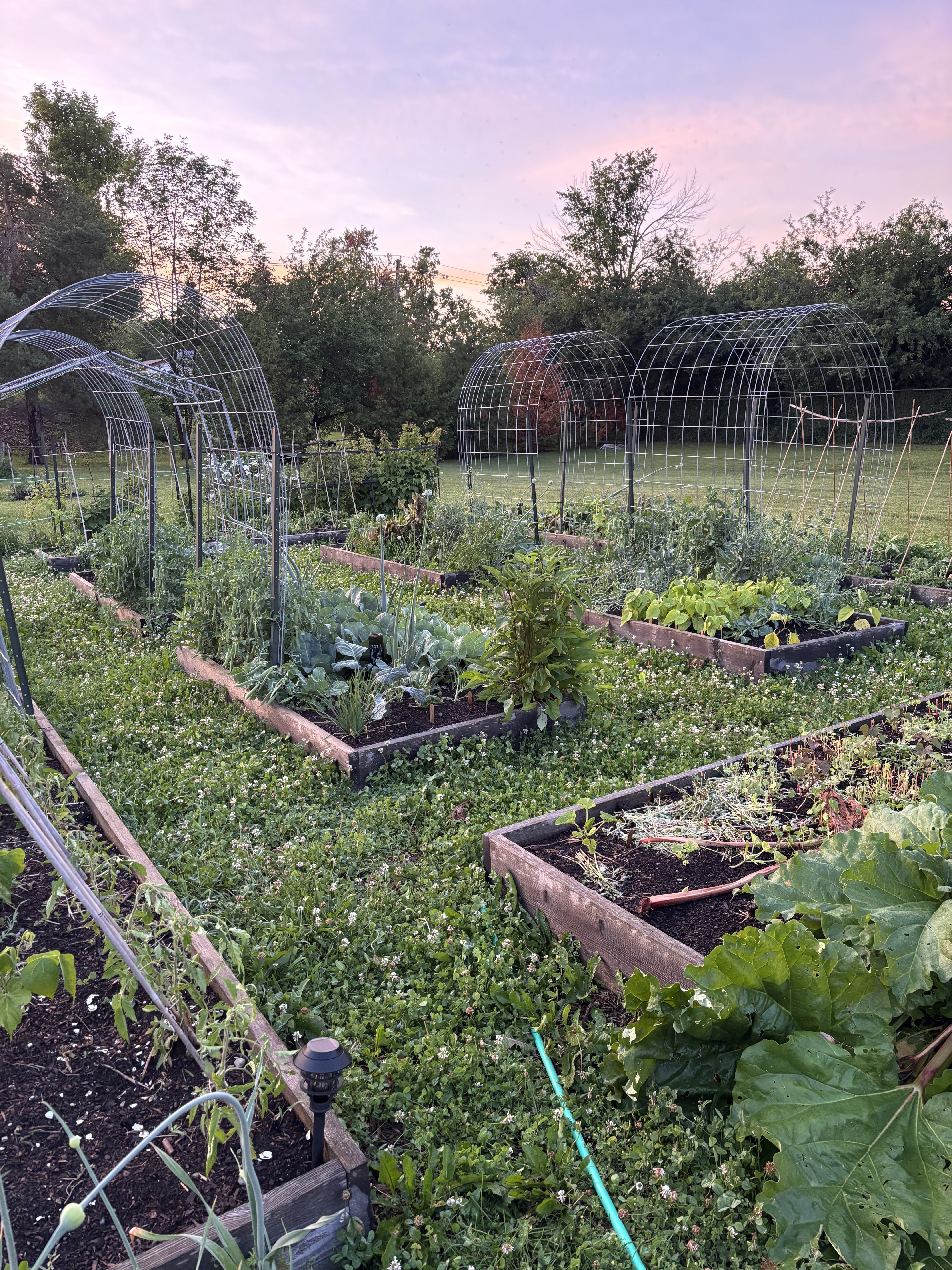
The mid-season harvest
July isn’t just about maintenance though. It’s also when the garden is beginning to really give back.
What can you watch for in July?
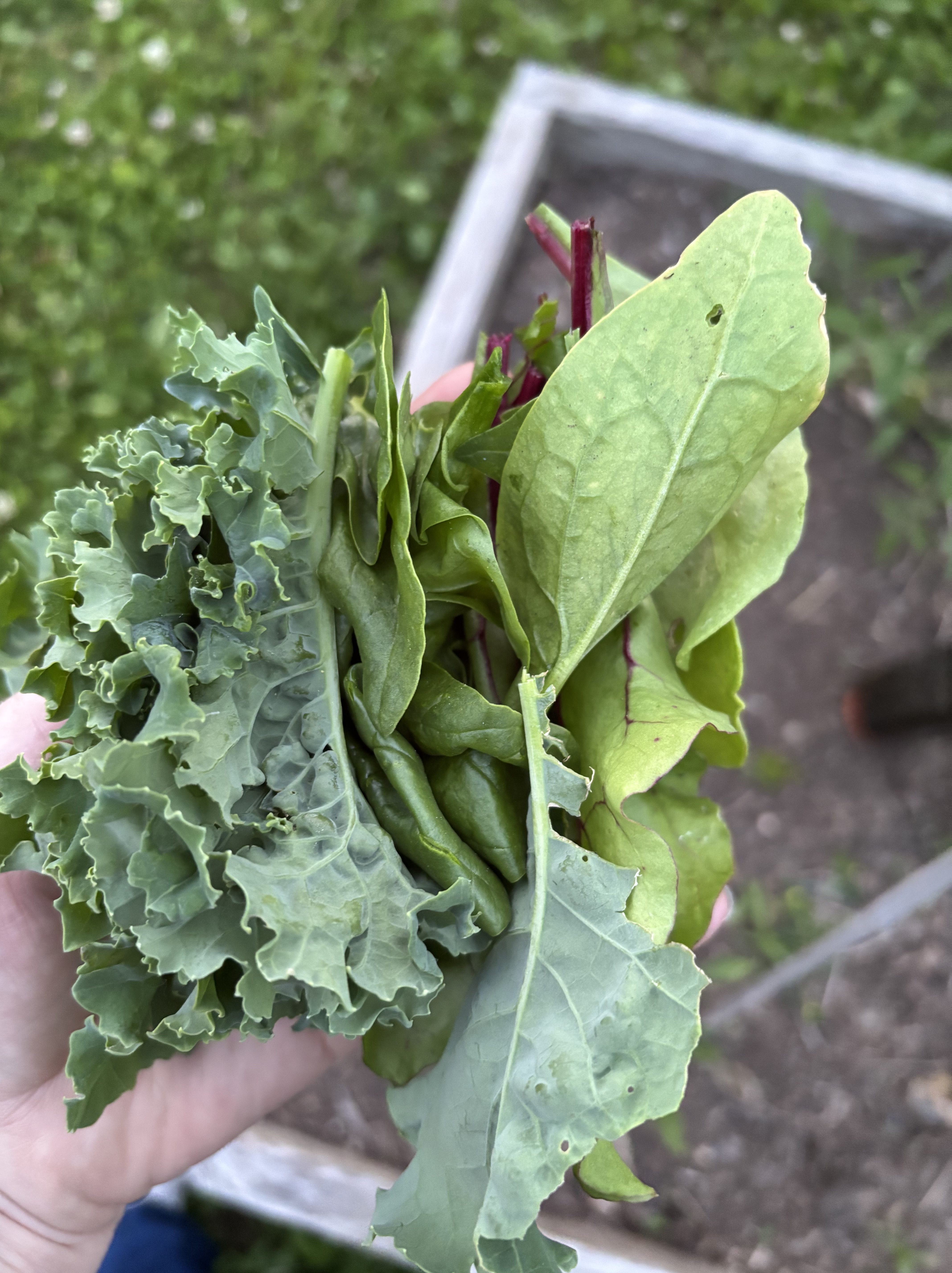
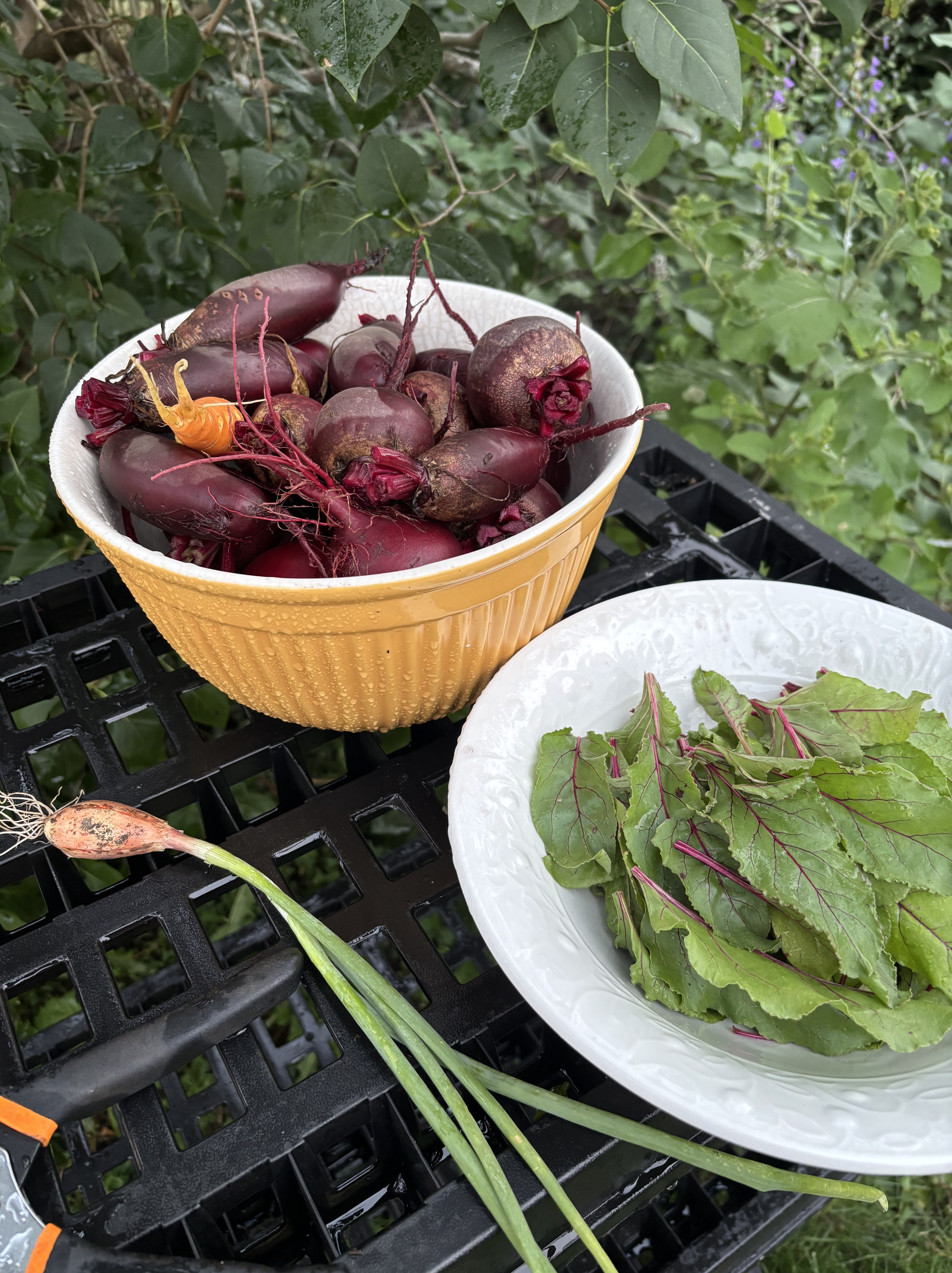
- Different greens: even though we’ve taken the lettuce out, the garden provides. It’s time to switch out the greens in your salads for kale, spinach, and beet tops. Spinach might be bolting a little, but those greens are still ok to eat! And if your beets need to be thinned out … don’t toss those away. The smaller they are, the more tender and appropriate for salad.
- Summer squash: my bet is that, if you’re a new gardener, you’re beginning to look for takers for your zucchini. Maybe you’re paying them to take it. Tip: for a few years now I’ve switched to patty pan squash. Relatively same taste and texture, but smaller and easier to deal with. And for God’s sake, only plant two plants!
- Herbs: you should now be able to harvest some hardy herbs for use in sauces, soups, salad dressings, and for drying. Thyme is a favourite of mine, but there’s also something about grabbing some version of a chive or green onion to flavour a salad dressing.
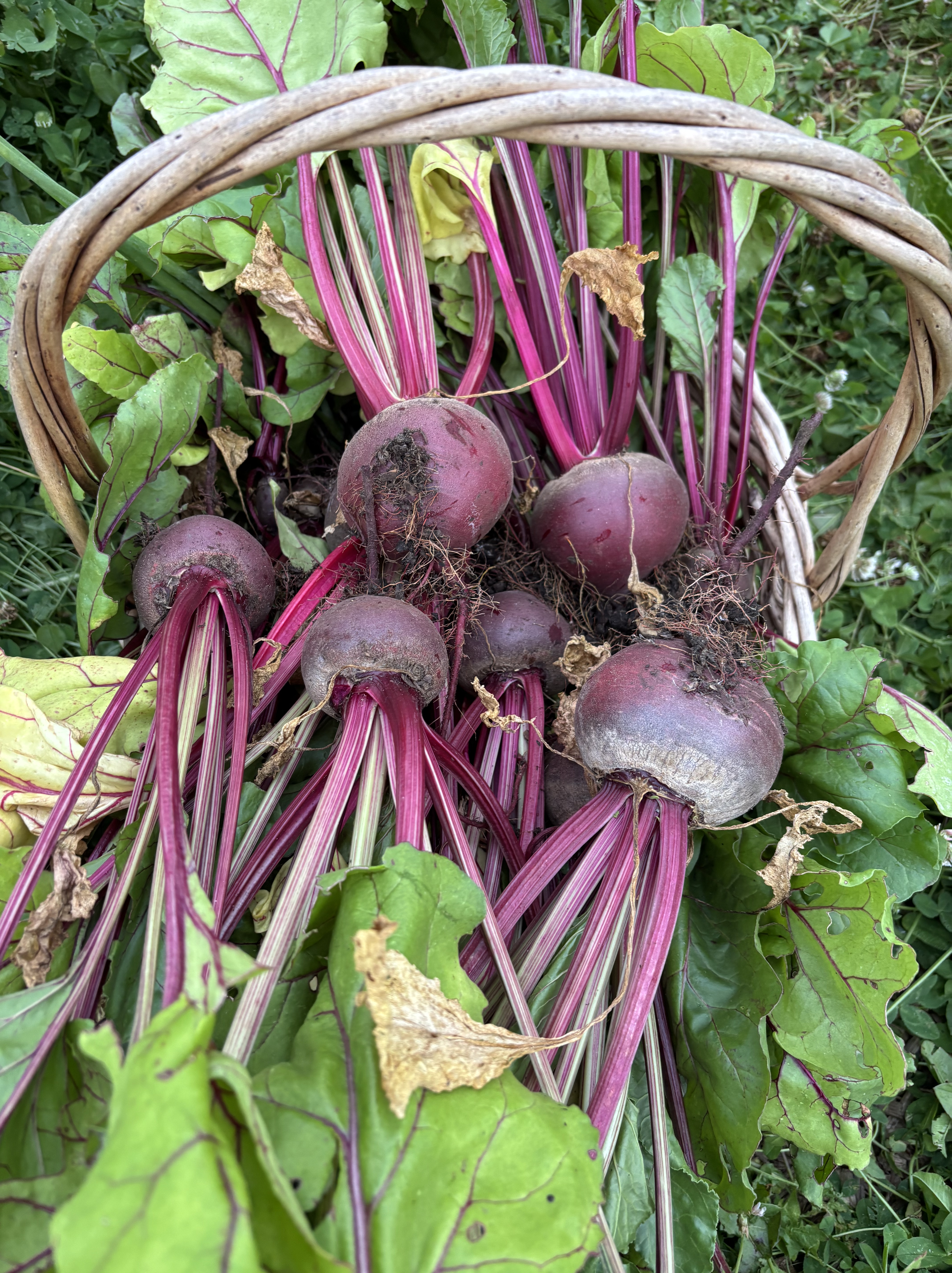
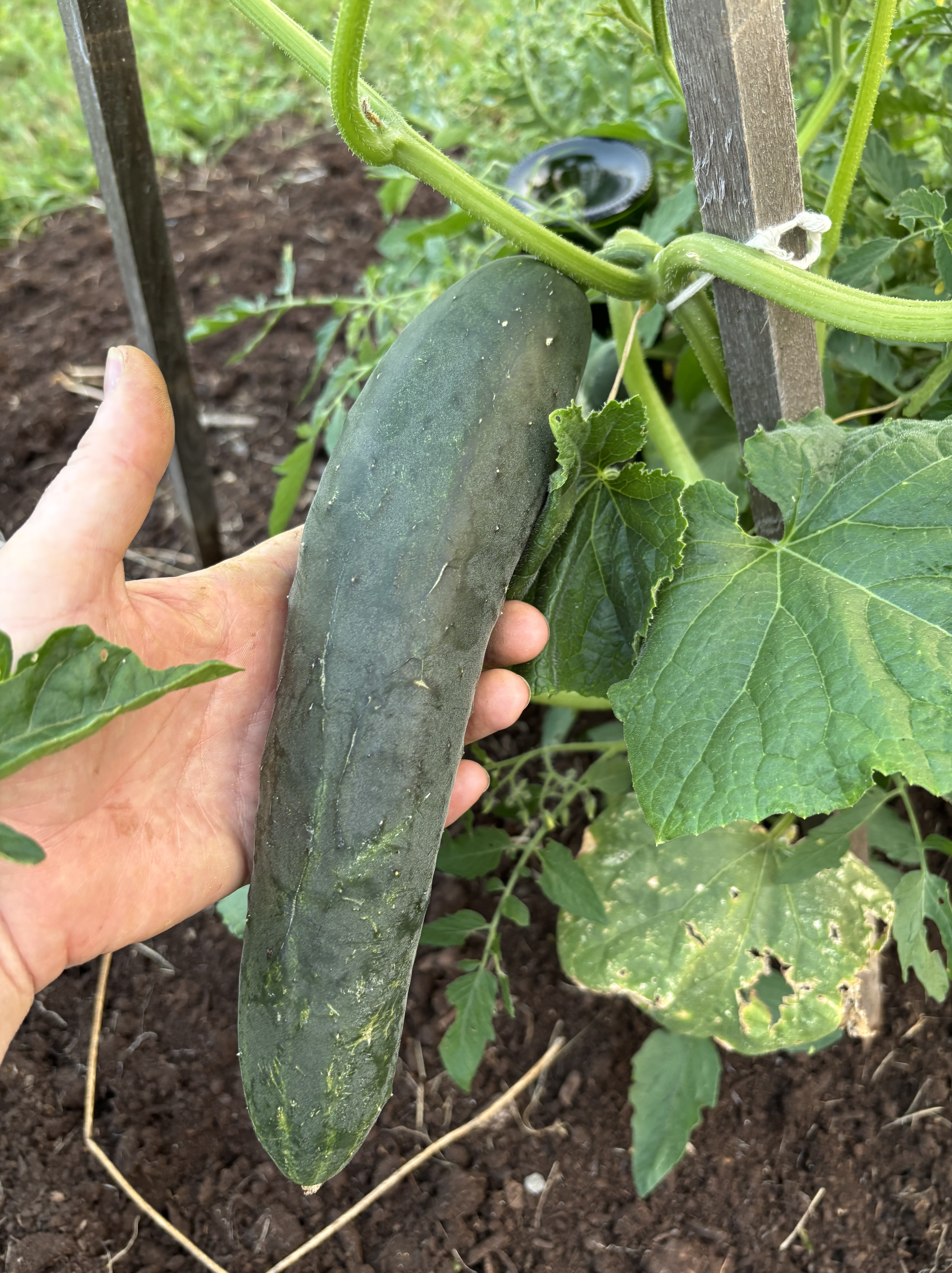
- Beets and carrots and cukes, oh my! Although the tomatoes aren’t quite there yet, we’re beginning to get into our veggie era. Depending on whether you’ve planted seeds, home grown seedlings, or hot-house-raised seedlings that are nearly ready to burst when they leave the garden centre, you will likely now be harvesting these and more, like peas (early July), or the first of the broccoli or early potatoes.
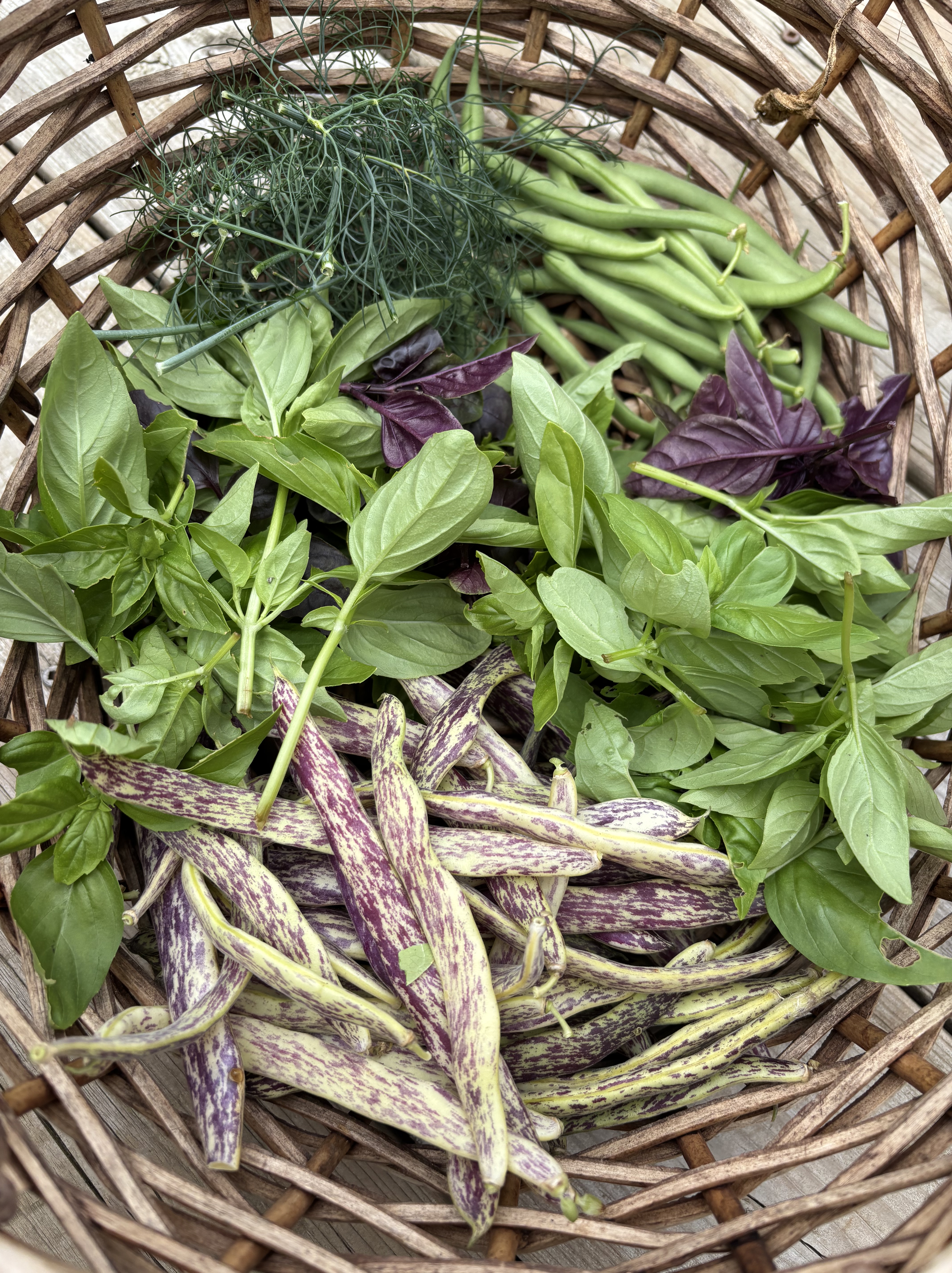
- Beans: beans are getting their own bullet. There’s just nothing like that first plate of steamed beans with butter and salt to make you a garden believer. Tip: plant weekly if possible to ensure that the harvest is spread out, and watch them closely! The fruit is the exact colour of the stalk and they like to hide their readiness.
Planning for fall
One of the biggest mindset shifts I’ve made over the years is realizing that empty space is opportunity. Nature doesn’t like bare soil, and neither should we.
The lettuce has bolted in the summer heat, and the rest is starting to turn bitter. I’ll pull most of it out, but I’ll leave a couple of the nicest plants to flower so I can collect seed for next year.
And those empty spaces around the seed plants won’t stay empty for long.
Early July is when I start thinking about succession planting. What seeds do I still need? What can go in next? How can I keep the garden producing instead of peaking once and calling it quits? If you’ve wondered how to fill the spaces in your garden, and what can grow again, check out my planting calendar. I’ve upgraded it this year to include even better timing for succession planting.
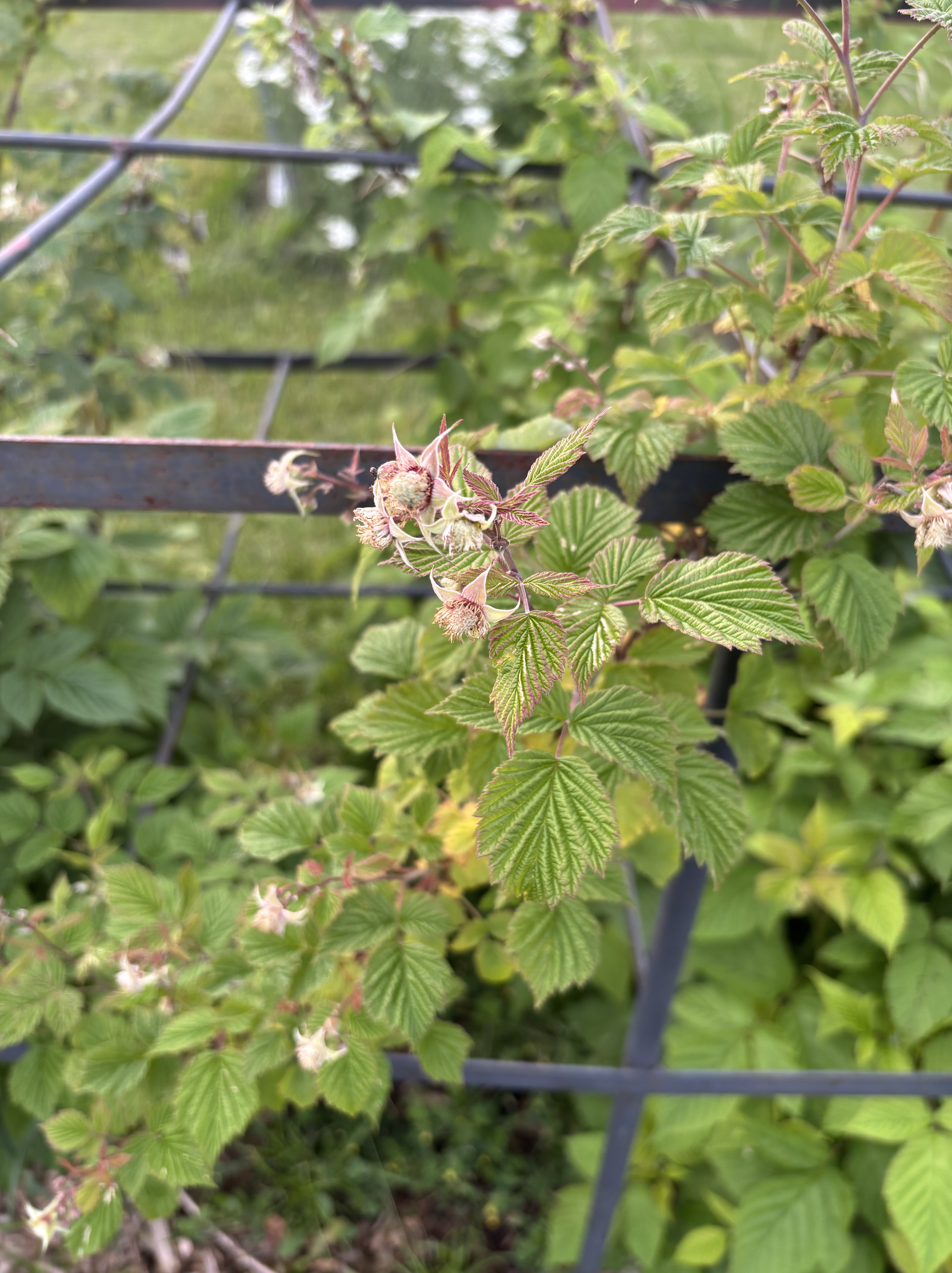
And finally, raspberry watch.
The candy of the garden. The reward for whoever helps with the weeding—or, more often than not, the reward for whichever son quietly wandered out to the garden first.
By July the planning is mostly behind us. The watering, weeding and tomato wrangling continue, of course, but the garden begins to give back. Meals become a little fresher, walks through the garden become a little slower, and every day there’s something new to notice.
It’s a good reminder that gardening isn’t just about growing vegetables. It’s about paying attention.
Garlic Scape Pesto
Makes about 1 cup
If you’ve never tried garlic scapes and were smart enough to plant garlic in the fall, you’re in for a treat. Scapes are not something that one finds year round at the grocery store; this makes them a true garden delicacy.
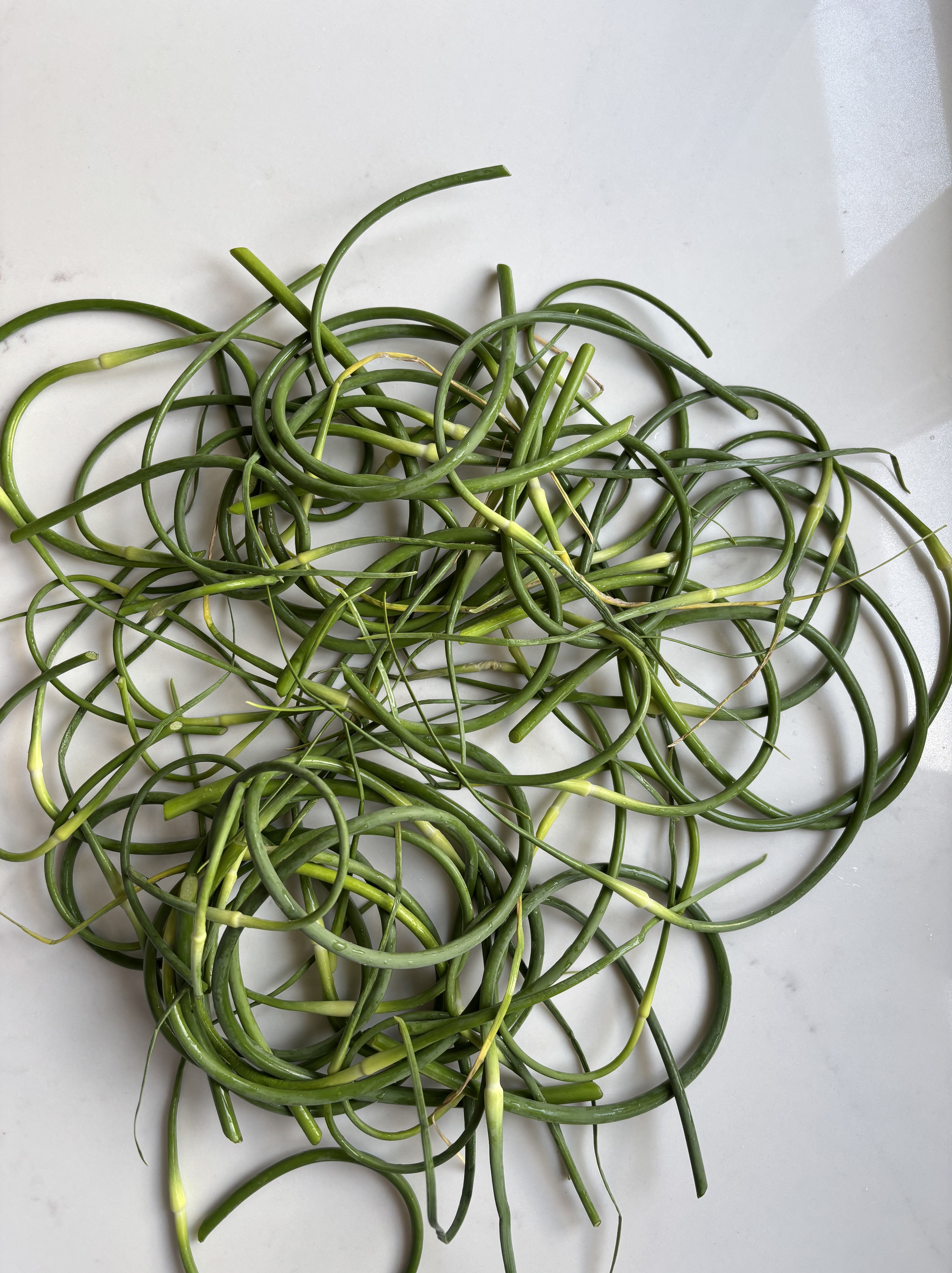
Garlic comes in soft-neck and hard-neck varieties. Soft neck is easier to braid for storage and will keep a bit longer, but I find that the cloves are a bit of a jumbly mess. Hard neck bulbs are nice and orderly, and sometime in June you’ll notice a curly flower stalk growing from its middle. Cutting that stalk will put more energy into growing the bulb and you get the bonus of eating the scape. They’re good fried as-is, chopped with scrambled eggs, or chopping and using to make a delicious pesto. Think basil pesto but with a garlicy twist.
Ingredients
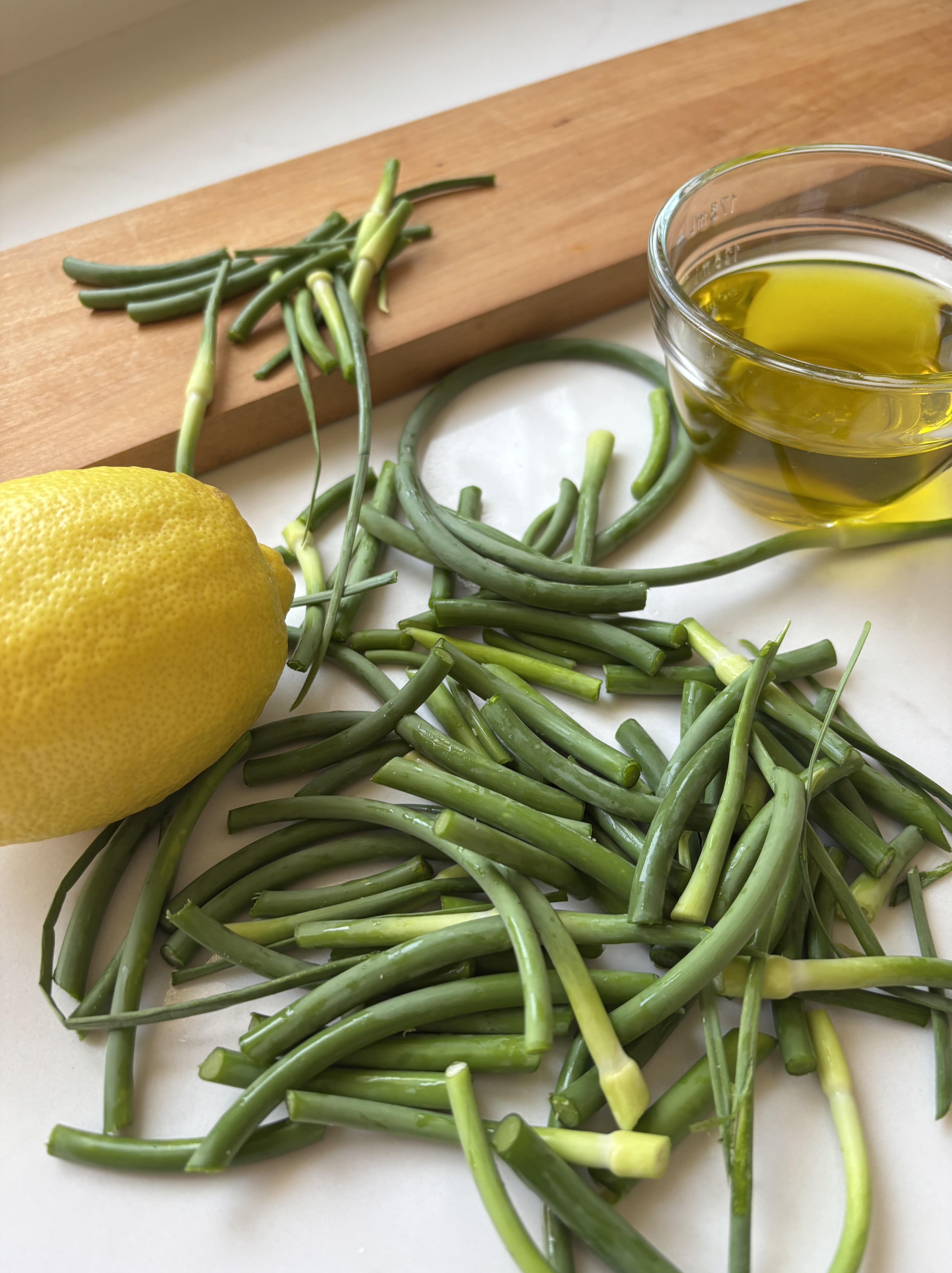
- 2 generous handfuls garlic scapes, chopped into 2-inch pieces (about ½ lb)
- ⅔ cup freshly grated Parmesan cheese
- ½ cup olive oil
- 1½ teaspoons lemon juice
- Freshly ground black pepper, to taste
- optional: 1/8 cup of some type of nut to add depth, like cashew, pine nut, or walnut.
Directions
- Add the garlic scapes and parmesan (and optional nuts) to a food processor and pulse until finely chopped. There are more fibers in garlic scapes than the traditional basil base, so this may take longer.
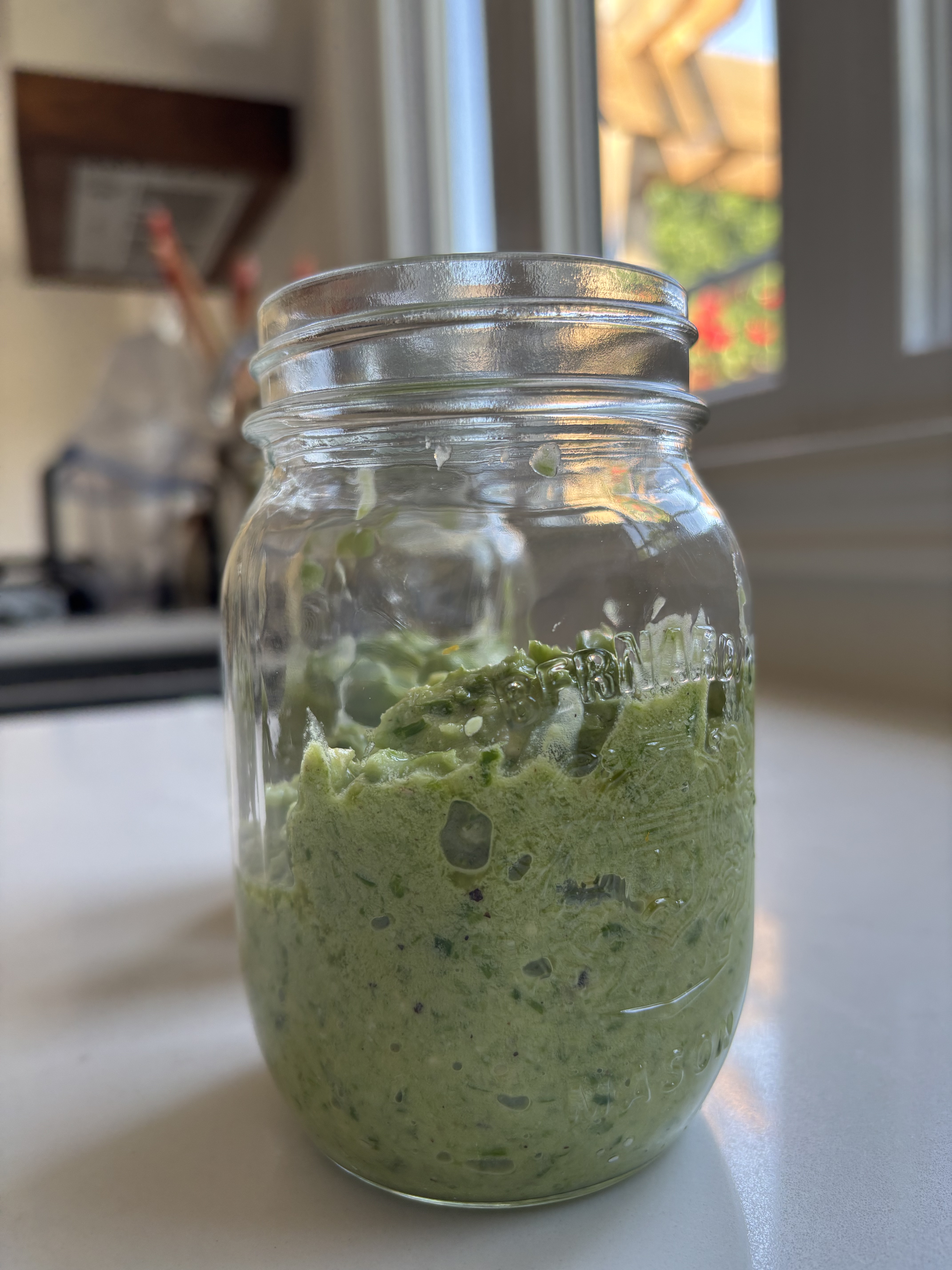
- With the motor running, slowly drizzle in the olive oil until the pesto reaches a smooth, spreadable consistency.
- Stir in the lemon juice and season with black pepper to taste.
- Enjoy tossed with pasta, spread on sandwiches, stirred into soups, or spooned over grilled vegetables.
Chickadee Jane Tip: Don’t worry about exact measurements. If your garlic scapes are especially thick or thin, simply add a little more olive oil to loosen the pesto or a bit more Parmesan to thicken it. Pesto is one of those recipes that’s happiest when you taste and adjust as you go.






Leave a Reply