
When I’m in the garden, there’s a lot of time to think. And most frequently, I’m thinking about how I would possibly start gardening these days. There’s just so much information out there!
I’m not positive that I actually ate anything from my first garden. It was wildly ignored, and I worked on it in fits and starts. But I was filled with so much wonder seeing things grow. I remember growing butternut squash, which I had never tried eating before, let alone growing. The picture on the seed package looked interesting, so I thought, why not?
In the spirit of keeping things simple, here are three things I would tell a new gardener:
Lesson 1: Make sure this is a garden you actually want
The garden of necessity
My mother grew up in a time and place where gardens weren’t always a hobby. They were practical. They provided food. They were work.
Gardening was not a relaxing weekend activity. It was a responsibility, and a chore given out by her parents. Hours and hours of shelling peas.
When she became a wife and mother and tried to garden herself, she started and stopped, fell in and out of the responsibility, thinking it was the right thing to do and wanting her children to see and learn about growing things.
But as someone working full-time in a demanding career, raising four children, managing multiple properties, and carrying more responsibilities than most people could imagine…it wasn’t surprising that she didn’t love it. Adding another obligation to the list wasn’t exactly the recipe for joy.
Here’s the secret: a garden should add something to your life, not become another thing you can critique yourself about.
In reality, gardening takes up a lot of time. And if you’re only trying to save on groceries, it’s possible … but it takes a lot of years of learning and developing specialized systems to make that happen, which is not worth it if you don’t find it enjoyable.
My mom now gardens flowers only. I’m not sure it’s her favourite activity, but to hear her speak of her watering regime, her cutting garden, and trying to get ahead of the red lily bugs, I’m pretty sure this is more of a win for her.
And she lets me plant my potatoes in their yard.
Make sure your garden is not a garden of obligation.
Lesson 2: There is no one right way
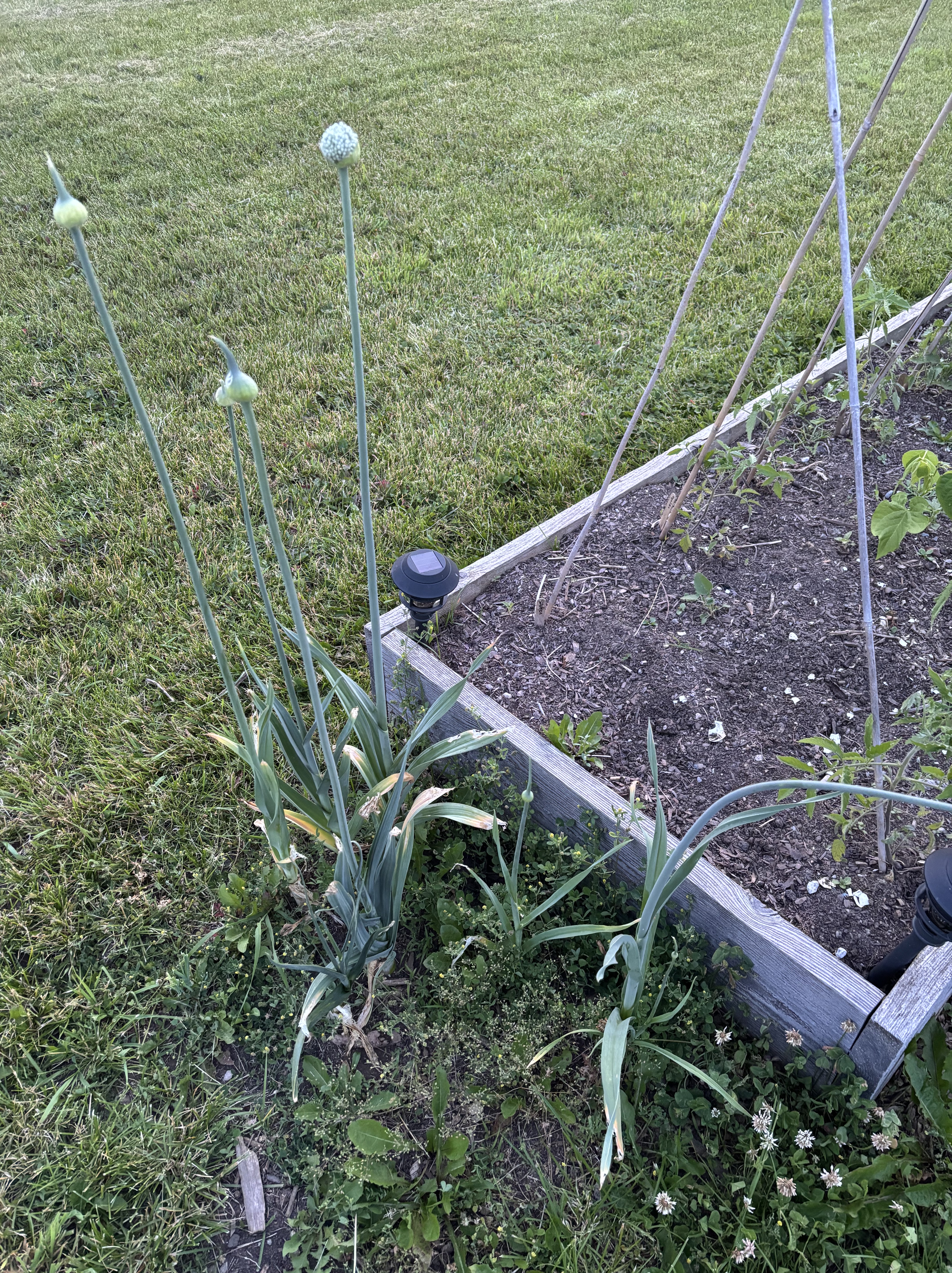
Pivot. Adapt. Adjust.
Remember I said last time not to plan your garden using ink?
Gardeners need to learn to switch to a new plan if something isn’t going well. To fill the gaps where something didn’t grow, even if the garden looks different from the original plan. If you’re a black-and-white kind of person, gardening may not be right for you … or it might actually teach you flexibility.
You’ve heard me talk about social media before, I’m sure. It’s not the villain. It can be an incredible source of inspiration and information. But there’s a symptom online these days of creators trying to generate clicks: the creation of urgency. The “me” as the star of my own show, with an audience telling me I’m right. They want you to believe that you’re doing something wrong.
The simple truth is that, in a vegetable garden, there is often more than one right way.
The internet has given us access to incredible knowledge. It has also given us access to everyone’s personal definition of success. And somewhere along the way, gardening became something you could fail at.
The reason I love gardening is because I think it’s part science and part creativity. The science tells you what plants need. Creativity comes in figuring out how to make that work in your life. What corners can you cut and still have balance and achieve results … the results that you’ve defined?
To maintain your sanity, define your priorities, and figure out what works for YOU.
Lesson 3: Learn the basics, then grow from there
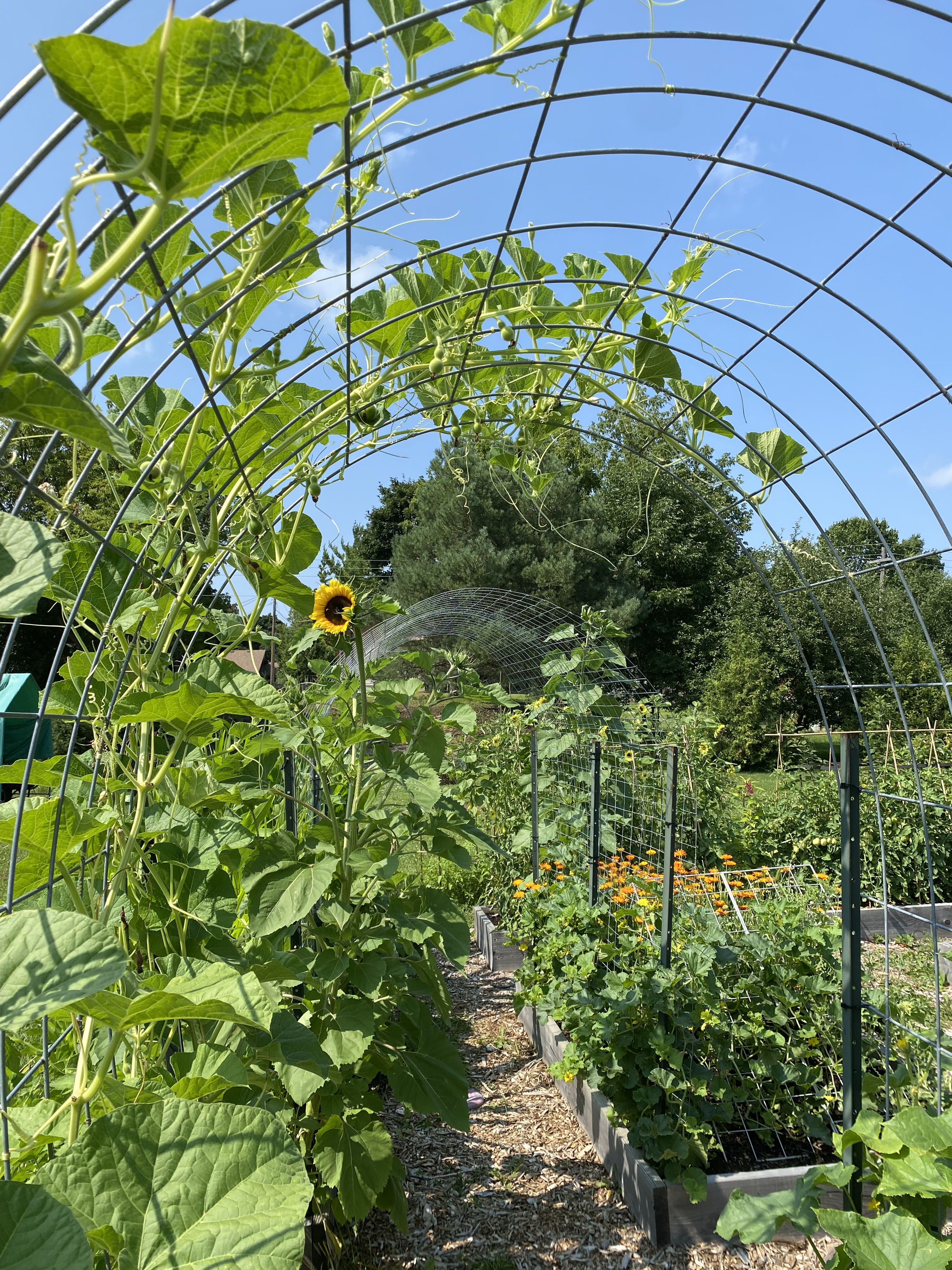
I’ve spoken before about throwing a bean seed in the ground and seeing what happens.
It really can be as simple as that. You don’t need to know everything before you start. But learning a few basic principles will make gardening feel much easier. But more importantly, will help you become the person making the decisions in your own garden.
You don’t need to memorize a complicated planting calendar (in fact, I have a very simple one, customizable for your own needs) or know the ideal conditions for every vegetable. Start with a few simple things.
Learn what your plants need.
Some plants like cool weather. Lettuce, peas and kale are happy when the temperatures are still fairly chilly. Others, like tomatoes, peppers, cucumbers and squash, need warmth.
Learn what your season can provide.
A tomato needs a long, warm growing season to go from seed to ripe fruit. If your season isn’t long enough, you can start the plant indoors or buy a seedling.
Lettuce is different. It likes cool weather and can be planted outside early in the season. When the summer heat arrives, it may bolt and become bitter. When the weather cools again, you can grow it again.
These are simple things to learn, but they give you a foundation for making decisions.
And then: pay attention.
Pay attention to when the soil warms up in your garden. Notice which plants thrive in the spring and which ones really take off once summer arrives. Notice what happens when you plant something early, or late, or try it again in the fall.
Your seed packet is a guide. The weather forecast is information. The advice you find online is a resource.
But your garden is the final teacher, and you’re calling the shots based on that knowledge. Growing something that you don’t actually eat a lot of? Get rid of it. Really enjoy eating something but it takes way more work than you can manage? This is something that can be purchased. Do your sweet potato vines choke out everything else and make your aesthetic garden look messy? Maybe they can grow upward. Spend a season testing that theory. It’s YOUR garden, built for YOU. You are the CEO.
You don’t need to follow a gardening rule just because someone else follows it. Learn enough to understand why the rule exists, then pay attention to what happens in your own garden.
Over time, you’ll need fewer instructions. You’ll start making the decisions yourself. And that’s when gardening gets really interesting.
I’ve created a beginner’s guide that walks through some basic fundamentals, including seasons and conditions, why to start seeds and why to buy seedlings.
If you’re starting from scratch, start here: Remove the Mystery: Gardening Basics.
The Garden Diary: Early August, End of the Dog Days
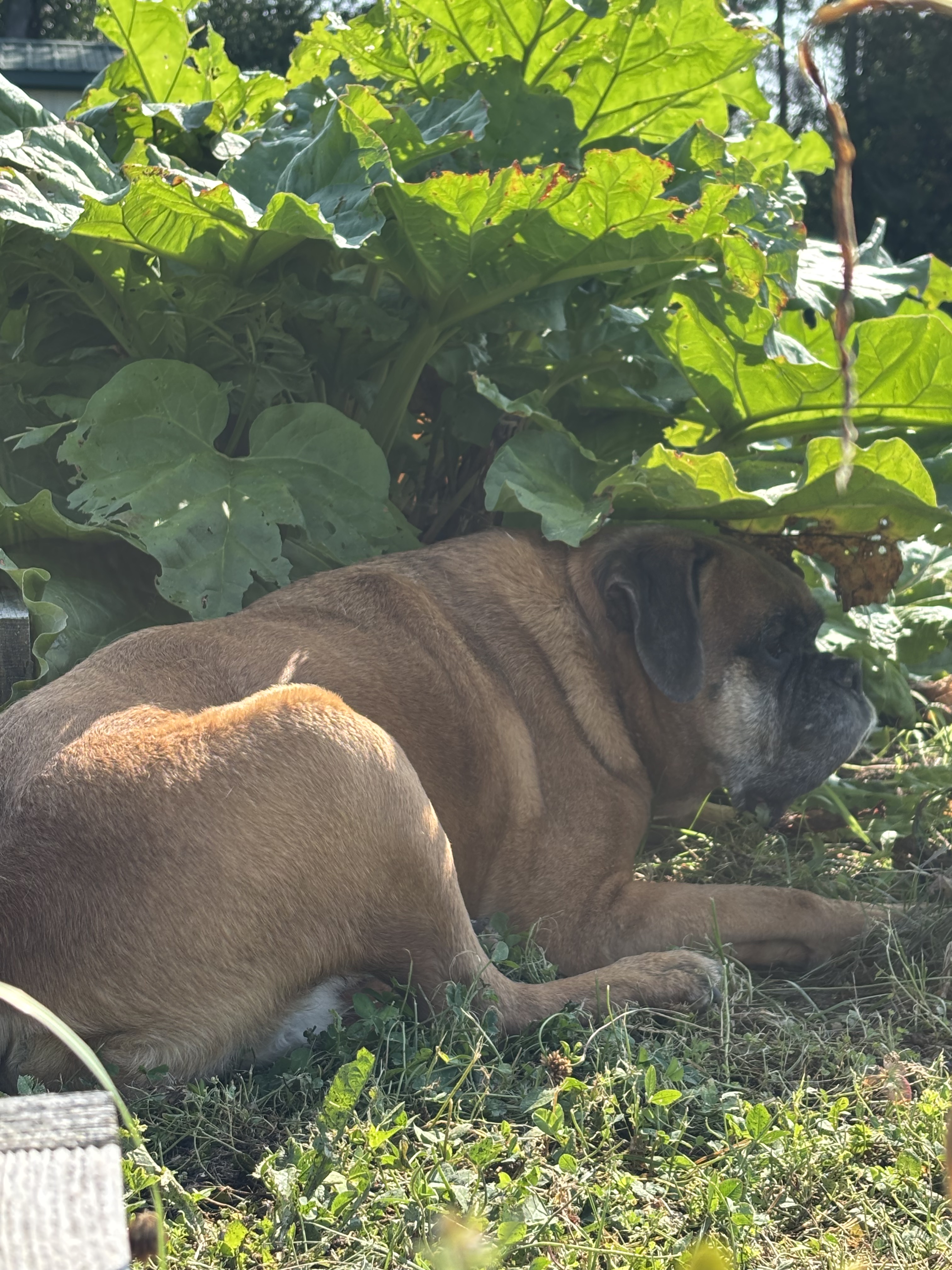
The dog days of summer are nearing their conclusion. There is still plenty of heat in early August, but the garden is beginning to feel the shift. For me, this time of year marks the end of my traditional summer holidays from work, and it’s also when the garden starts getting busy again.
It’s a season of wearing several hats at once.
Harvesting, planting, watching
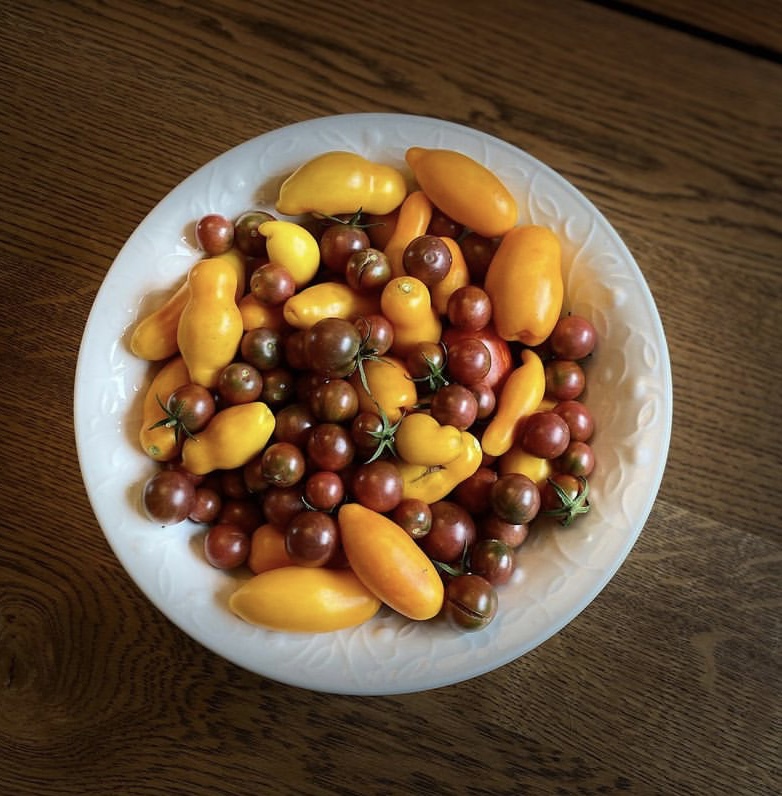
Some of the harvesting has slowed down as I wait for the BIG TOMATO HARVEST. Of the ten raised beds in my garden, three are devoted to tomatoes, so I know what’s coming.
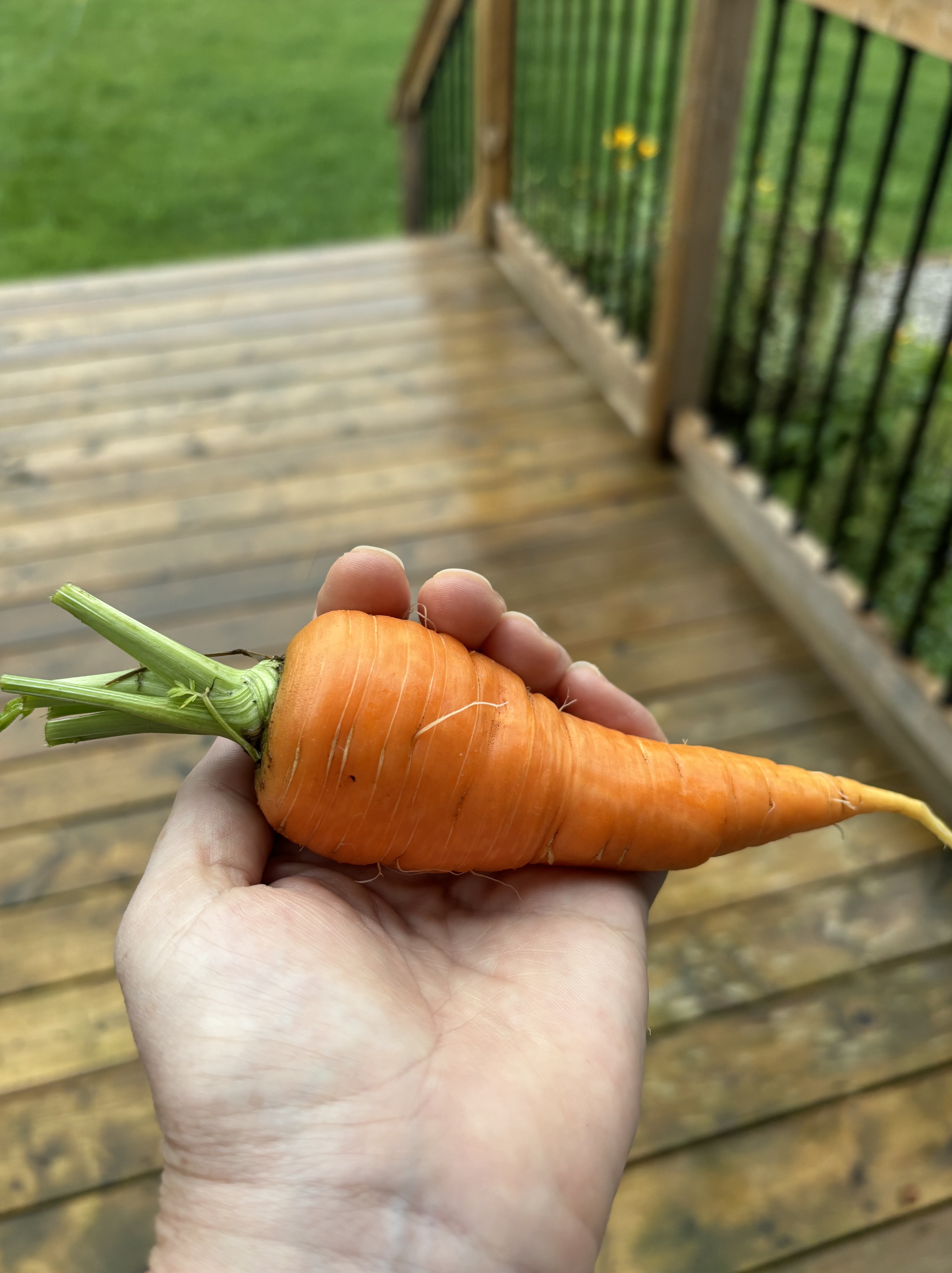
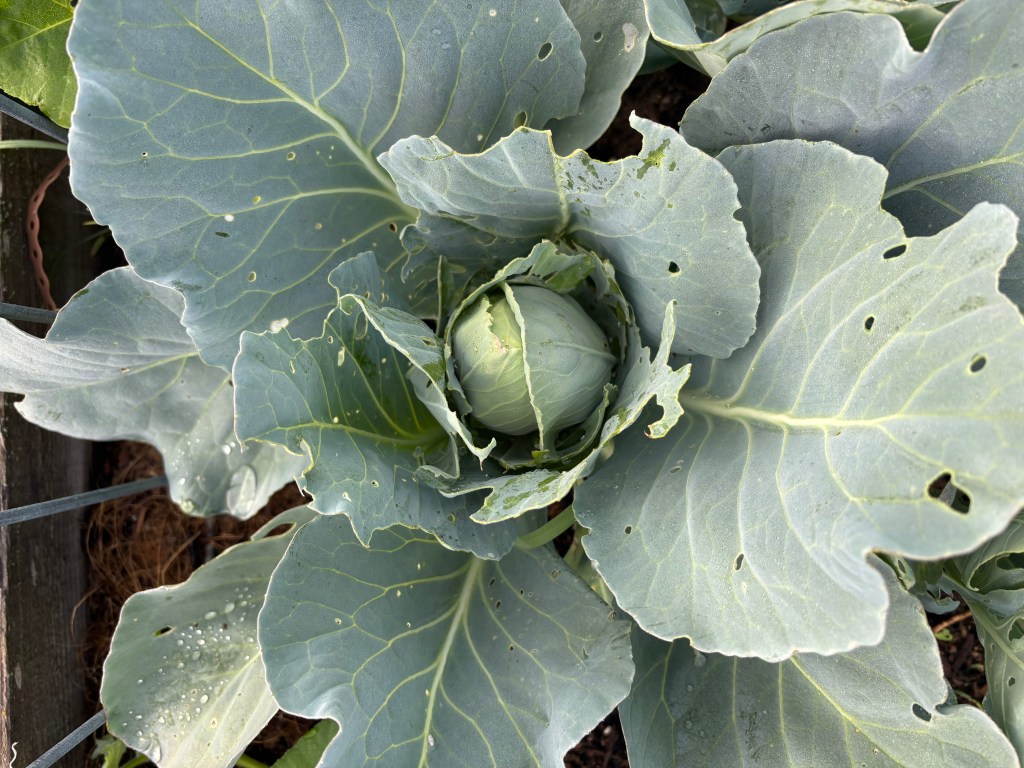
For now, there are still plenty of things to bring in. I’m finishing up the beans—which also means searching for the beans I lost in the tomato jungle because I planted them too densely—and beginning to harvest cabbage. There’s so so many carrots and beets that I need to figure out a storage plan, and I’m watching the onions, whose tops are beginning to brown in anticipation of pulling and curing. There are still a few garden candies from what must be everbearing raspberries, and there is lots of basil, which will keep coming for a while. I’m making pesto to put away for winter.
I’m also pulling in herbs and teas that I’ve dried, putting them away, and getting another batch ready to dry. Which reminds me: I haven’t harvested any thyme yet this year, and it’s the herb I use the most. Note to self.
Meanwhile, I’m still planting.
Starting in July, I’ve been putting in another round of carrots, beets, bok choy and beans, and now I’m finishing up the spinach and lettuce. This is one of those times when the garden feels a little counterintuitive: I’m harvesting summer crops while planting things that will carry me into fall.
Thinking about winter while we’re still in summer
I’m also beginning to collect seeds from plants I’ve deliberately allowed to go to seed, or left in for a second year. Lettuce, spinach, kale, carrots and cabbage are all candidates. Still waiting on the onion and leeks.
And then there’s the bean situation.
Some beans got so big because I lost them in the jungle that they’re no longer really dinner beans. Instead of pulling them, I’m going to let them mature and save the seeds for next year.
It’s a small example of something I love about gardening: a mistake can sometimes become part of the plan.
Early August is strange. I’m still very much in the middle of summer, but I’m already thinking about winter storage. I’m harvesting, planting, preserving, collecting seeds, taking notes for next year—and wondering where on earth I’m going to put everything.
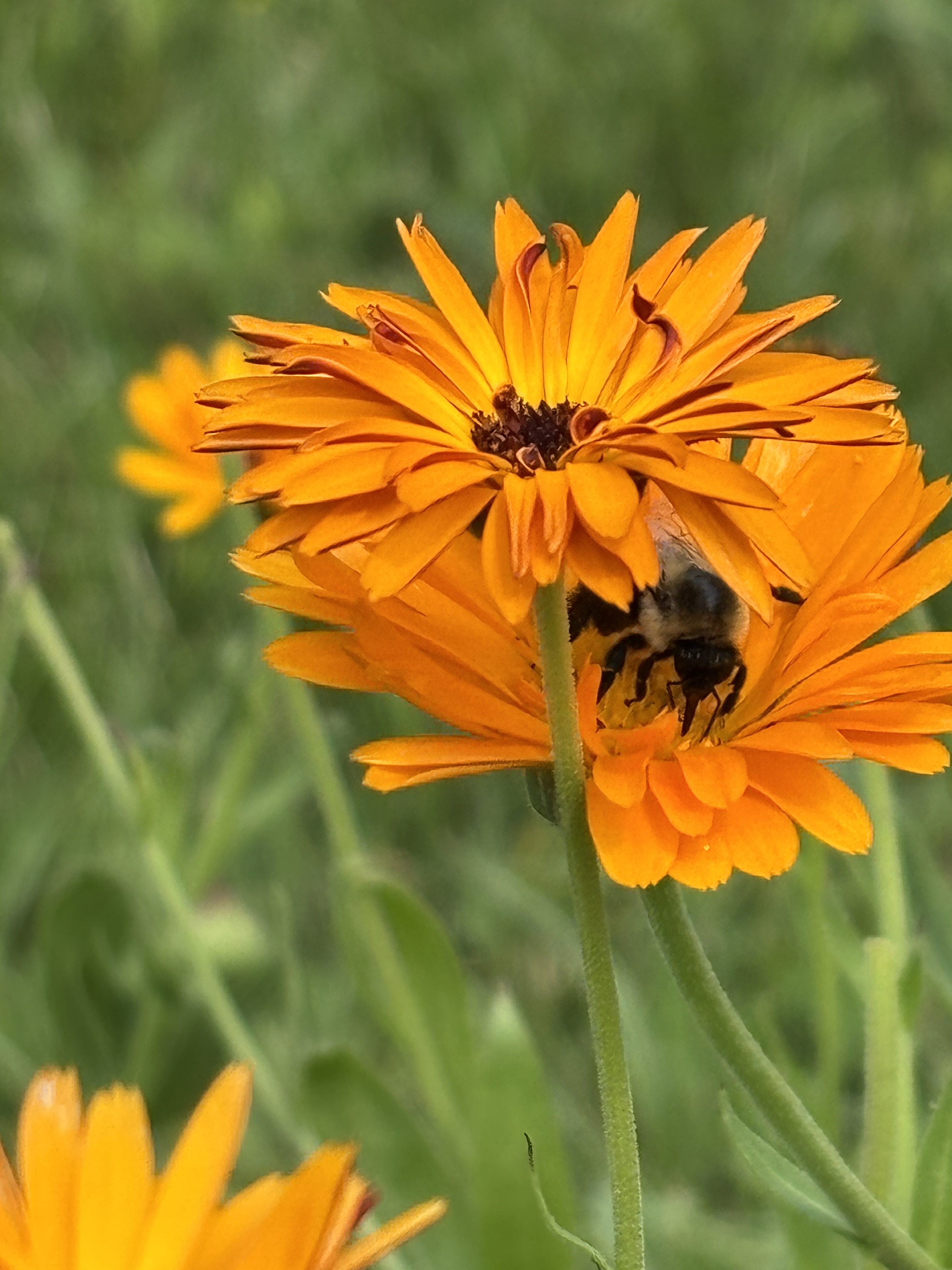
The bees are still busy.
And so am I.





Leave a Reply