Chapter 1: How Seasons and Conditions Determine When and What to Grow
If you’re new to gardening, understanding when and what to plant is half the battle. And I don’t mean what vegetables; I’m talking about planting a seed versus buying the plant. It’s not always a personal choice.
The great news is that you don’t need to memorize a complicated planting calendar or know the answer to every gardening question before you put a seed in the ground. You just need to understand a few basic ideas about seasons, temperature, sunlight, and how long different plants need to grow.
Once you understand those, the rest starts to make a lot more sense.
What matters more: season or conditions?
The answer is both!
Every plant has a growing season—the amount of time it needs to go from seed to a mature plant that produces something we can eat. As gardeners, we need to ask: Is the growing season where I live long enough for this particular plant? Some places have long growing seasons; others have much shorter ones, with fewer frost-free months. This is why knowing where you garden matters.
But length of season isn’t the whole story. Plants also have preferred conditions. Some like cool weather, others need heat. Some need lots of sunlight, while others tolerate some shade. And here’s the wonderful thing: the seed already knows what it needs. It’s all built into its DNA. A seed isn’t going to start growing until the conditions are right for it.
So a plant doesn’t necessarily have one “growing season.” It has a range of conditions in which it grows best, and those conditions can change throughout the year. As gardeners, we’re really learning to make the best matches.
Why can’t I just plant all my seeds outside?
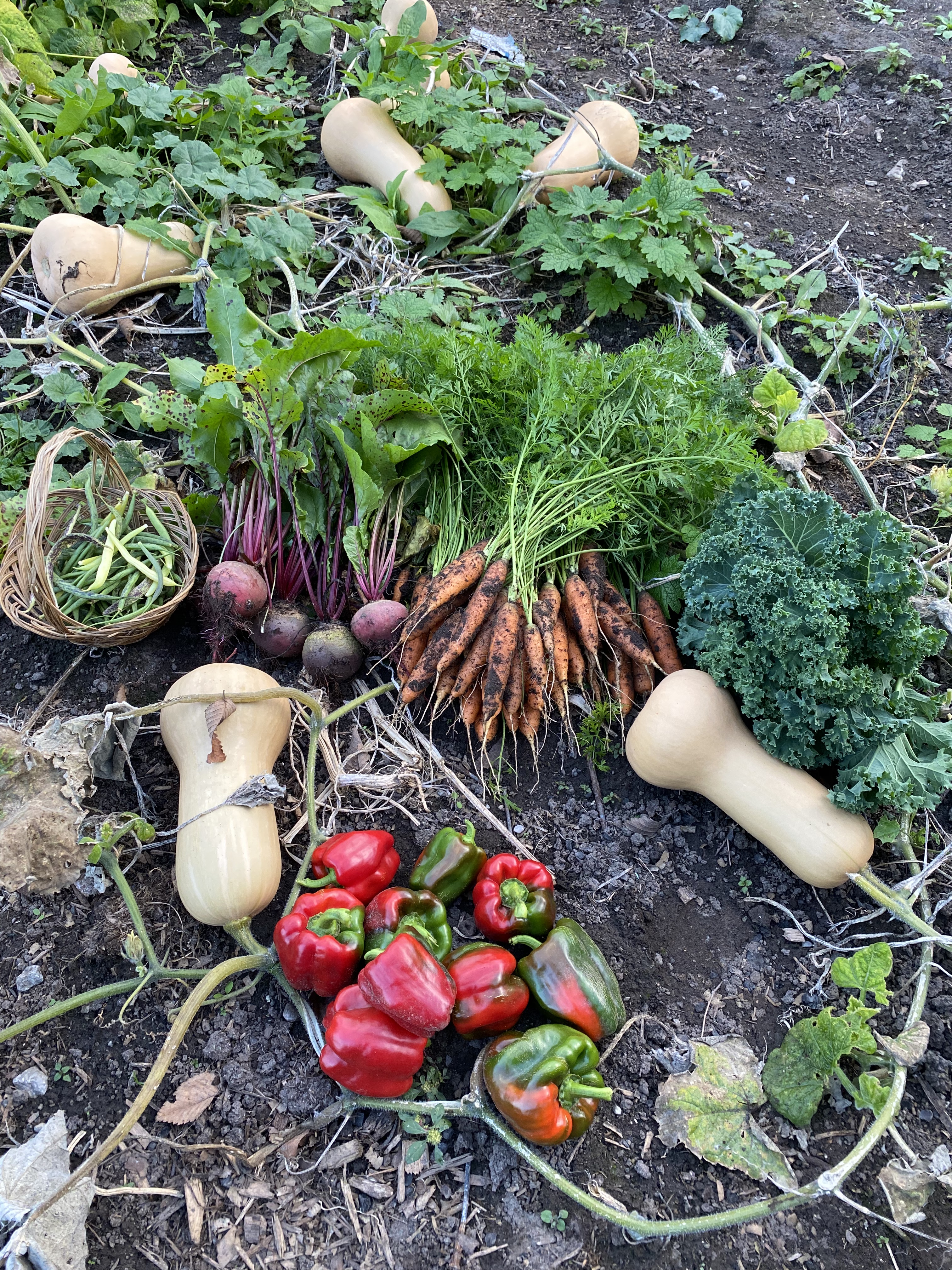
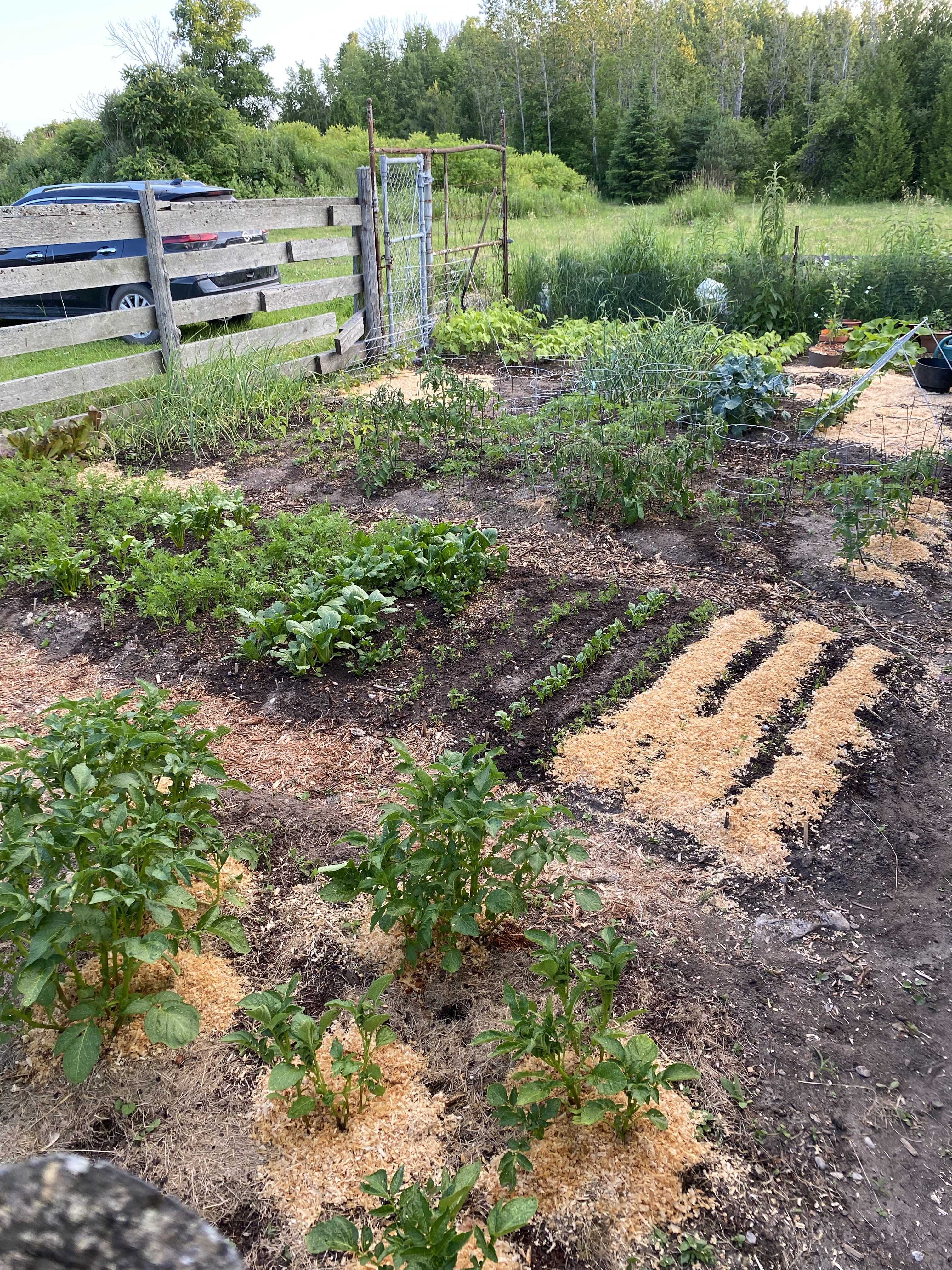
This is what I preach, and what I did in my first garden. The hardware store had a rack of seeds, and I planted them all in rows on the long weekend in May, and lots of stuff grew. (Including Butternut Squash, which I had never even eaten, let alone grown). This is a fantastic way for a new gardener to experience the wonder of surprises happening in the garden, and of early successes. But don’t be surprised if there are some fails as well. It’s a great learning curve.
As long as you’re not looking at social media.
If it’s like mine, your social media feed is likely filled with gardeners and gardens from all across North America and the UK, some of whom are saying, “quick it’s not too late to get your cucumber seeds in the ground”! – which may or may not be at the right time for your area. Nothing like creating a sense of urgency to drive clicks!
But some seeds in your area may be started in the cool weather and like cool weather. Some may only like hotter weather and if your particular hot season isn’t long enough, the seed needs to be started inside first, the plant acclimated to the outside, and then planted outside only when the temperatures will support the plant.
Starting Seeds, Buying Plants & Everything In Between
Luckily, gardening is full of options. There is no single “right way” to get a plant into your garden, and there are advantages to different approaches.
Gardeners can:
- Start seeds directly outside, often called “direct sowing,” if the conditions allow.
- Start seeds indoors before outdoor temperatures are warm enough.
- Buy or be gifted plants that someone else has started indoors, generally from a garden centre or nursery, but sometimes from friends, other growers, or markets. These are called seedlings.
1. Starting from seed
Starting from seed is generally inexpensive, and it gives you access to an enormous range of varieties. It can also be a lot of fun.
2. Growing seedlings indoors
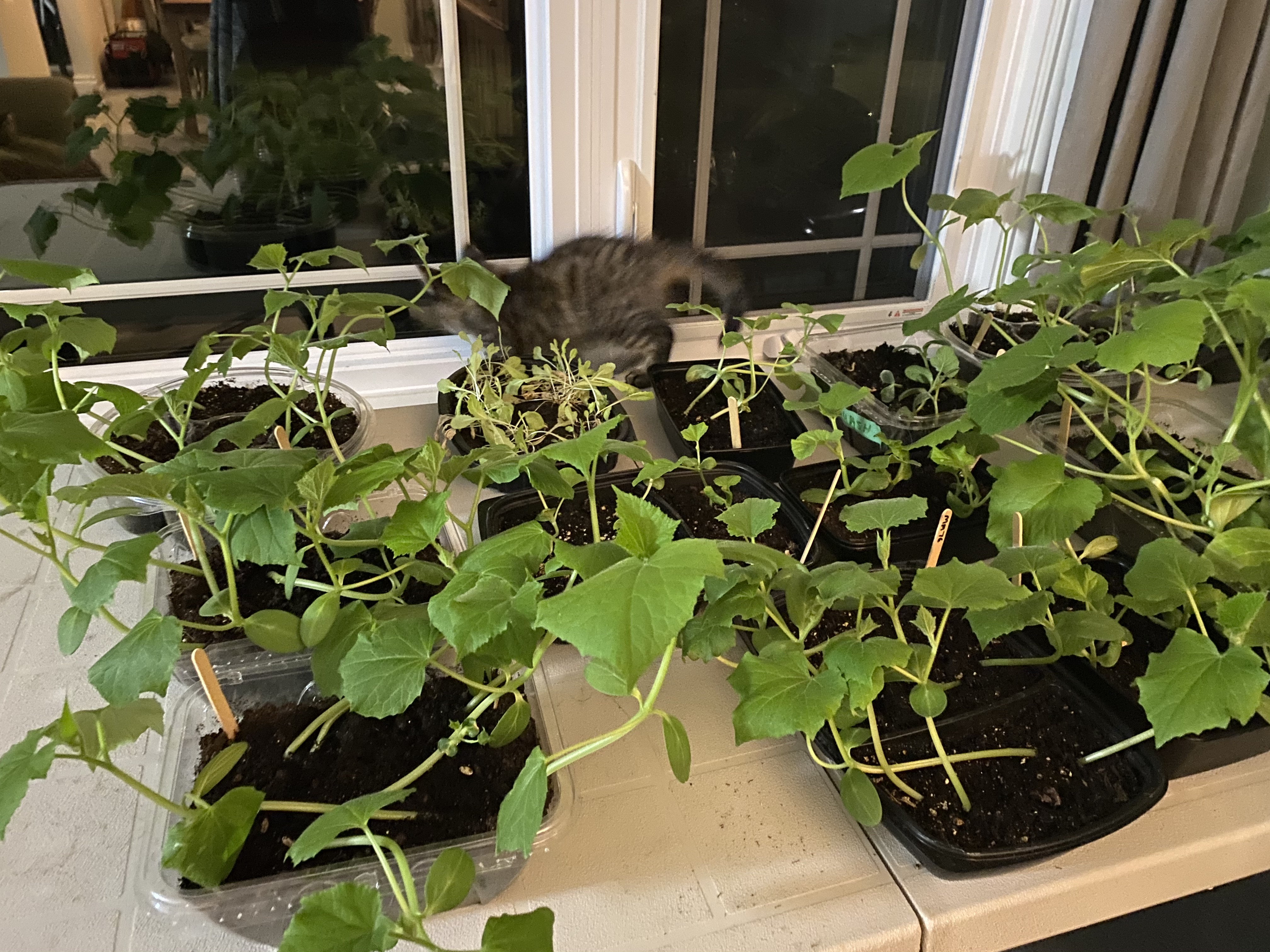
Growing seedlings yourself is rewarding, but it does require some basic infrastructure, such as a sunny window or grow lights, trays, and soil.
You will also need to harden off your seedlings before planting them outside. Young plants that have been growing indoors can’t simply be moved outside all at once. Over about 1–2 weeks, you gradually expose them to outdoor conditions for increasing amounts of time.
3. Buying seedlings
Buying seedlings gives you a head start without all the work of growing them yourself. You do need to have your garden prepared when you’re ready to plant them, and you need to visit the garden centre at the right time of year. Supplies are seasonal and can run out.
You’re also limited to the varieties and vegetables available from the garden centre or nursery.
As you can see, there are upsides and downsides to every method. This is part of learning what works for you, what you enjoy, and what works best for the vegetables you want to grow.
Examples
Let’s look at some examples to give you a sense of how this all works.
Tomatoes
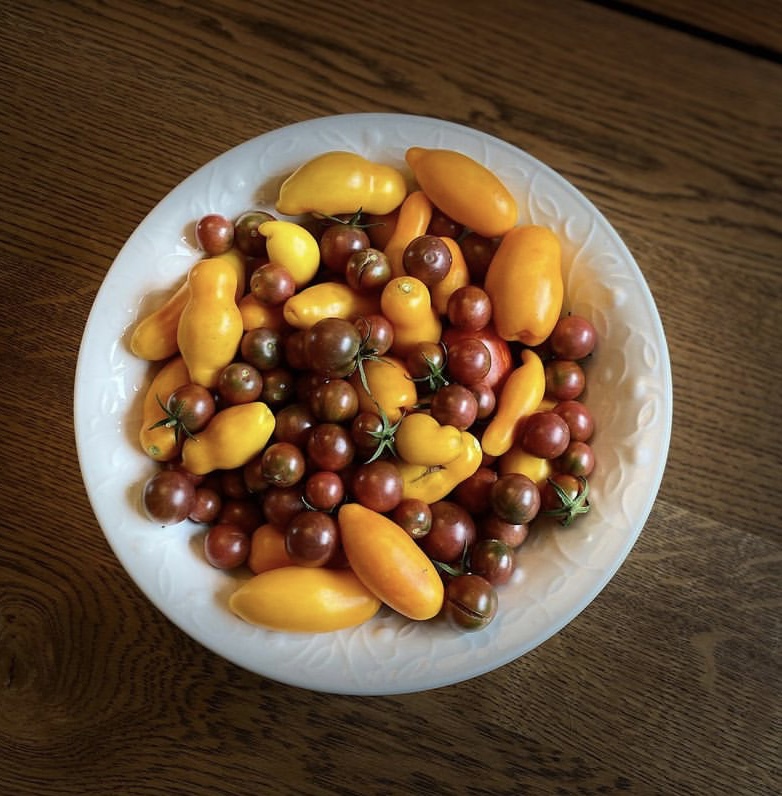
Tomatoes are commonly grown in Southern Ontario, where I garden, but they are a warm-weather plant. The length of time that temperatures are suitable for tomatoes isn’t long enough here to reliably take a tomato from seed to ripe fruit if you plant the seed directly in the garden after winter.
The tomato isn’t doing anything wrong. We simply don’t have enough time.
So gardeners in this area give tomatoes a head start, by using options 2 or 3: grow them indoors from seed, or buy plants at a garden centre.
Many, many people buy tomato seedlings from the garden centre. There isn’t a prize for starting your tomatoes from seed. If you enjoy starting seeds on a windowsill in February, wonderful. If you’d rather walk into a garden centre in May and buy a healthy little tomato plant, also wonderful.
The goal is to grow tomatoes—not to prove that you can grow the tomato plant yourself from seed.
Lettuce
Lettuce is a cool-weather crop. Its seeds can be planted directly outside quite early in the season—even when the weather still feels pretty unfriendly to us. Some gardeners even scatter lettuce seeds over snow in late winter or very early spring. When the conditions are right, the seeds wait and then begin to grow.
But lettuce has limits, too.
As the weather gets hotter, lettuce can become bitter and may eventually shoot up and develop flowers. When temperatures cool again later in the season, you can often grow it successfully once more.
Can you buy lettuce as a seedling from a garden centre? You sure can! Is there a benefit? This is one plant where buying a garden-centre seedling can come close to buying lettuce at the grocery store. By the time you plant it, it’s almost ready to harvest. There can still be other reasons to buy it, though. You might want a particular variety, or you might want to grow it in a container and give it as a gift.
Beans
Beans have a relatively short growing season and burst out of their seeds quickly. In my region, I have no trouble planting them outdoors and getting a harvest within the season. I can also plant a row one week, another row the next week, and so on. This gives me a staggered harvest, so I’m not overwhelmed by all the beans at the same time. If you’re growing for dinner, this is a fantastic option.
Even better, I can actually get two harvests. By mid-July in my region, I’m ready to begin planting again for a fall harvest—perfect for Canadian Thanksgiving.
This is where variety matters. Pole beans, which continue growing and need support, have a longer growing season than bush beans. For a second crop, I stick with bush varieties.
Kale
Kale is one of the hardier plants. With a growing season similar to beans, it matures relatively quickly, and you can begin harvesting baby kale soon after planting.
But here’s the thing: kale, like many brassicas, can tolerate very cool weather. Temperatures where I live can reach -20°C or colder in winter, with six-foot snowbanks. And I’ve harvested kale at Christmas.
Kale is definitely one to plant if you’re interested in stretching your harvest season.
Cucumbers
Not every plant fits neatly into the categories of “start indoors” or “plant directly outside.”
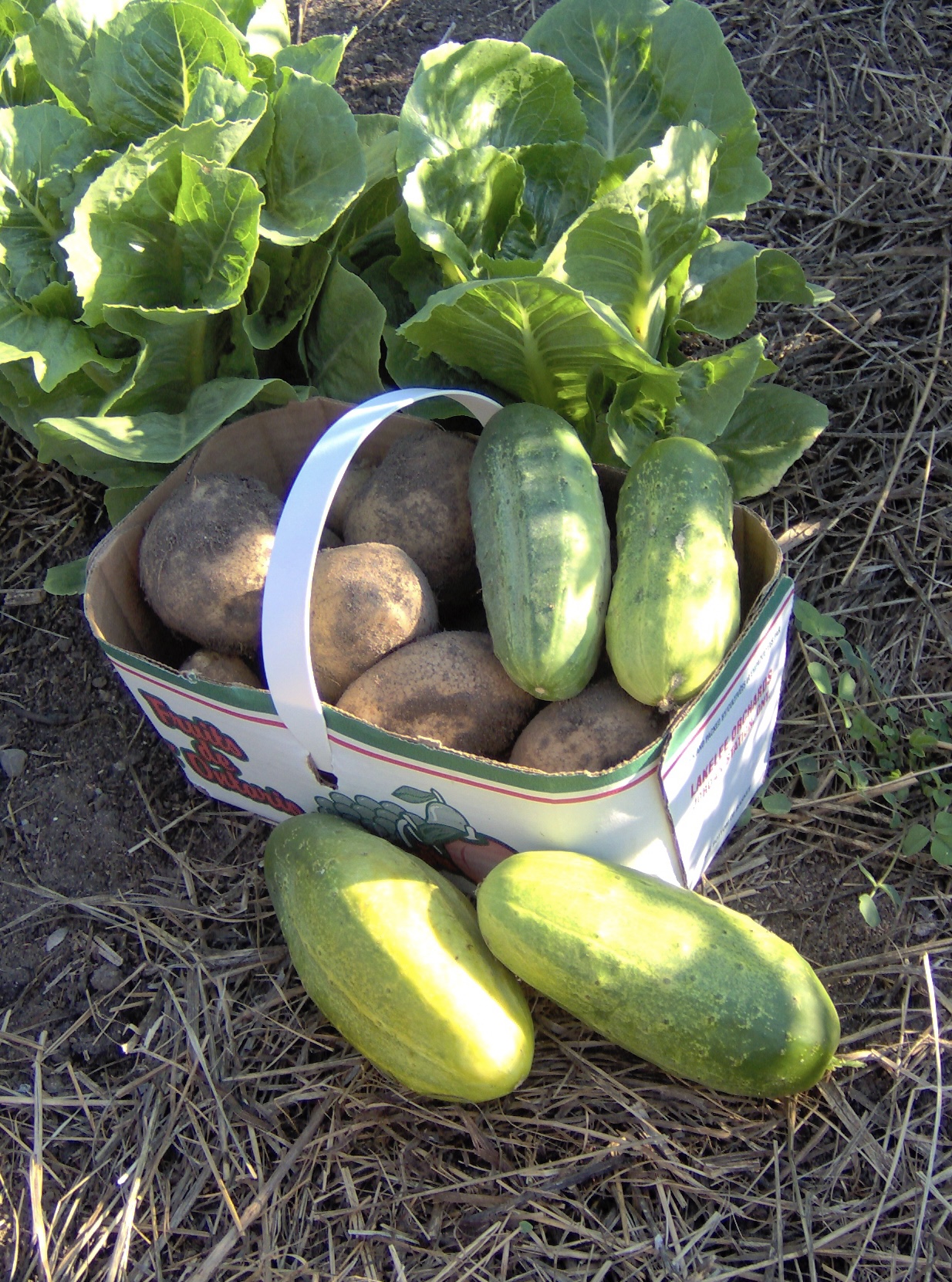
Summer squash, winter squash such as butternut, and cucumbers are good examples. Depending on where you live and how long your growing season is, you can start them indoors for a head start—or plant them directly in the garden once the soil and weather are warm enough.
There are advantages to both.
Starting indoors or purchasing seedlings may give you an earlier harvest and can provide some insurance against a short growing season. Direct sowing means less work and avoids the sometimes delicate business of transplanting young plants.
Or do both! Plant seedlings alongside your seeds for a staggered harvest.
Gardening offers flexibility. The combination of creativity and choice, alongside conventions like growing dates and temperature requirements, is one of the reasons I love it.
Remove the Guesswork
Fortunately, you don’t have to figure all of this out yourself.
There are several easy-to-find sources of information for gardeners in different regions, including the internet, garden centres, garden groups, and my planting calendar.
Once you understand some general characteristics, you’ll find that plants start to fall into different categories: cool-weather tolerant, warm-weather plants, long-season crops, short-season crops, and so on.
You’ll want to learn about things such as:
- your average last spring frost date;
- your average first fall frost date;
- the preferred growing conditions of the plants you want to grow; and
- how many days a particular variety needs to mature.
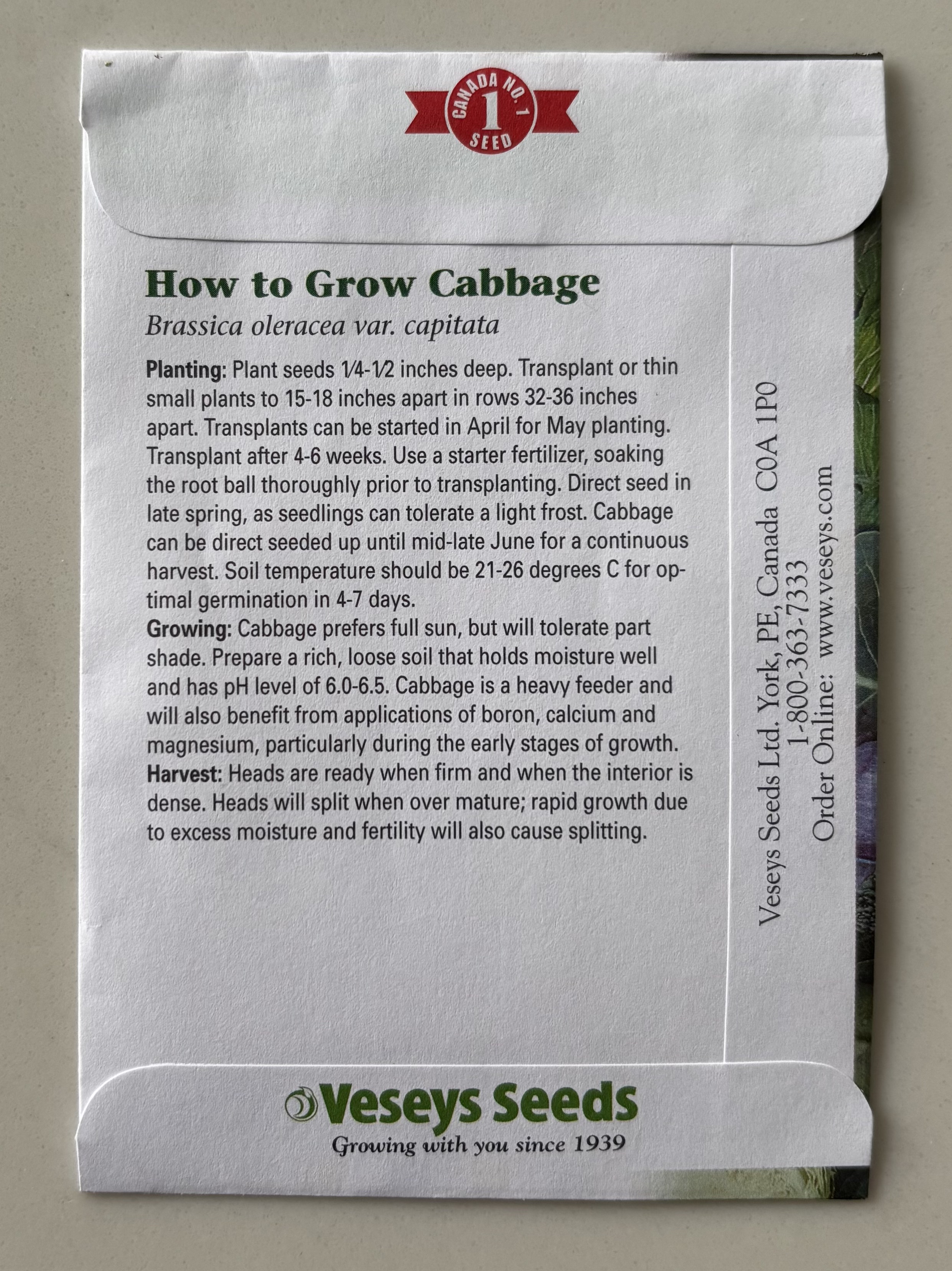
And don’t overlook the seed packet. It’s a fantastic resource.
Seed packets generally tell you much of what you need to know about that specific variety, including when to plant, how deep to plant, spacing, days to maturity, and the expected germination rate.
Start With the Basics, Then Pay Attention
You don’t need to know everything before you begin.
Start by learning a few basic things about your climate and the plants you want to grow. Learn what likes cool weather and what likes heat. Learn roughly when your growing season begins and ends.
Then plant something.
Watch it.
See what happens.
Maybe you’ll plant something too early.
Maybe you’ll plant something too late.
Maybe the weather will do something completely unexpected.
That’s gardening.
The information you learn gives you a starting point. Your own garden will teach you the rest.
And next year, you’ll know a little bit more than you did this year.
There is always another season to try again.